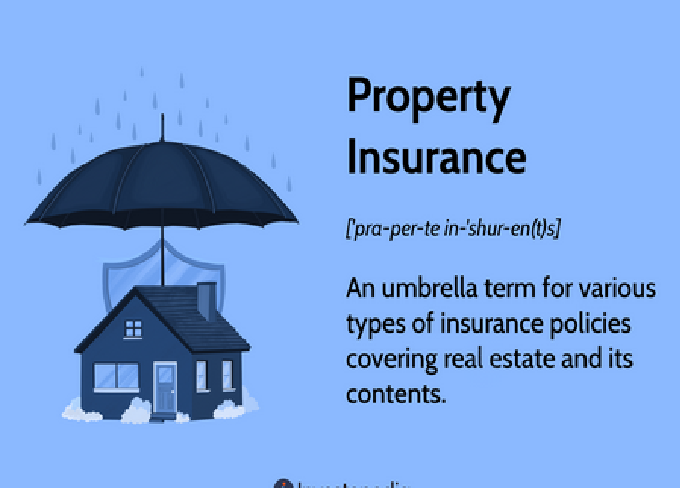
Owning a home is one of the biggest financial milestones in life. Along with the pride of ownership, however, comes the responsibility of protecting your investment. That’s where home insurance steps in. For many first-time or even seasoned homeowners, insurance can feel complicated and filled with legal jargon. Yet, understanding it is crucial to ensure your property, belongings, and peace of mind are secure.
In this article, we’ll break down 10 essential things every homeowner should know about home insurance. By the end, you’ll have a clear understanding of what it covers, how it works, and how to make the most of your policy.
1. Home Insurance is Not Just About the Structure
When most people think of home insurance, they assume it only covers damage to the house itself. While that’s true, home insurance goes beyond the physical structure. A standard policy typically covers:
-
Dwelling Coverage: Protection for your home’s walls, roof, and built-in appliances.
-
Other Structures: Coverage for detached garages, sheds, or fences.
-
Personal Property: Your belongings, like furniture, electronics, and clothing.
-
Liability Protection: Legal and medical expenses if someone gets injured on your property.
-
Additional Living Expenses (ALE): Costs for temporary housing if your home becomes unlivable after a covered event.
So, home insurance isn’t just about rebuilding walls—it’s also about safeguarding your lifestyle.
2. Not All Risks Are Covered
A common misconception is that home insurance covers everything. In reality, there are exclusions. Typical policies do not cover:
-
Floods
-
Earthquakes
-
Termite or pest damage
-
Wear and tear (normal maintenance issues)
-
Sewer backups (unless added as a rider)
If you live in an area prone to floods, earthquakes, or hurricanes, you may need separate insurance policies or add-ons. Homeowners should carefully review their policy to understand what is and isn’t covered.
3. Replacement Cost vs. Actual Cash Value
When filing a claim, your insurer will pay you based on either replacement cost or actual cash value (ACV):
-
Replacement Cost: Covers the cost to replace your home or belongings with new items of similar kind and quality, without depreciation.
-
Actual Cash Value: Pays out the value of the damaged property minus depreciation.
For example, if your five-year-old TV is stolen:
-
Replacement cost would buy you a new TV.
-
ACV would give you the current market value of a five-year-old TV, which is much less.
Most homeowners prefer replacement cost coverage, even if it costs slightly more, because it ensures you can fully rebuild or replace your items.
4. Your Premium Depends on Many Factors
The amount you pay for home insurance—called a premium—is influenced by several factors:
-
Location: Homes in flood zones, high-crime areas, or near fire-prone forests have higher premiums.
-
Home Value & Size: Bigger and more expensive homes cost more to insure.
-
Construction Materials: Brick homes often cost less to insure than wooden ones.
-
Security Systems: Burglar alarms, smoke detectors, and security cameras can lower premiums.
-
Claims History: Filing frequent claims may raise your rates.
Understanding these factors can help homeowners find ways to reduce premiums without sacrificing coverage.
5. Liability Protection is Just as Important as Property Coverage
Most people focus on insuring the physical structure, but liability protection is equally crucial. Liability coverage pays for:
-
Medical expenses if a guest is injured on your property.
-
Legal fees if you’re sued due to an accident.
-
Property damage you accidentally cause to others.
For instance, if your dog bites a neighbor, liability insurance can cover medical bills and legal costs. Without it, you’d have to pay out-of-pocket, which could be financially devastating.
6. Home Insurance Has Limits – Know Yours
Every insurance policy has coverage limits—the maximum amount an insurer will pay for different types of claims. For example:
-
Personal property coverage might be capped at 50–70% of your dwelling coverage.
-
Jewelry, art, or collectibles often have sub-limits (e.g., only $1,500 for jewelry theft).
If you own expensive valuables, you may need scheduled personal property coverage (an add-on rider) to fully protect them. Always review your policy’s limits and adjust them to reflect your true needs.
7. Your Deductible Affects Your Premium
A deductible is the amount you agree to pay out-of-pocket before your insurance kicks in. For example, if you have a $1,000 deductible and file a $10,000 claim, the insurer pays $9,000.
-
Higher Deductible = Lower premium, but more out-of-pocket expenses when you file a claim.
-
Lower Deductible = Higher premium, but less financial burden at claim time.
Homeowners should choose a deductible that balances affordability with risk tolerance.
8. Regular Policy Reviews Are Essential
Many homeowners buy insurance once and then forget about it. But life changes affect your coverage needs:
-
Renovating your home increases its value.
-
Buying expensive electronics or jewelry changes personal property needs.
-
Adding a swimming pool increases liability risks.
It’s recommended to review your home insurance policy annually or after major life changes. Updating your coverage ensures you’re neither underinsured nor overpaying.
9. Home Maintenance Can Impact Claims
Insurance companies expect homeowners to maintain their property. If damage occurs due to neglect or poor maintenance, your claim might be denied. Examples include:
-
Roof leaks caused by years of neglect.
-
Mold buildup due to poor ventilation.
-
Pest infestations left untreated.
While insurance covers sudden, accidental damage, it doesn’t replace routine maintenance responsibilities. Regular inspections, timely repairs, and preventive measures not only keep your home safe but also ensure claim approvals when disaster strikes.
10. Comparing Policies Can Save You Money and Stress
Not all home insurance policies are created equal. Two companies might offer different coverage, limits, or customer service for the same premium. Before committing:
-
Compare Quotes: Get at least three quotes from different insurers.
-
Check Coverage Details: Don’t just look at price—review exclusions, limits, and add-ons.
-
Evaluate Customer Service: Research claim handling reviews, as smooth claims processing matters most during emergencies.
-
Bundle Policies: Many insurers offer discounts if you bundle home and auto insurance.
Taking the time to shop around ensures you’re not only saving money but also choosing a company you can trust.
Conclusion
Homeownership comes with both joy and responsibility, and home insurance is a cornerstone of protecting your investment. From understanding coverage details to recognizing exclusions and adjusting policies as your needs evolve, being informed makes all the difference.
The key takeaways are:
-
Insurance isn’t one-size-fits-all—customize it to your needs.
-
Know the difference between replacement cost and actual cash value.
-
Liability protection and policy limits are just as important as property coverage.
-
Regular reviews and maintenance help prevent costly surprises.
By keeping these 10 things in mind, every homeowner can approach home insurance with confidence—ensuring peace of mind, financial security, and protection against life’s unexpected events.