Traveling is one of life’s greatest joys. Whether it’s a short domestic getaway or a long international adventure, the excitement of exploring new places, cultures, and experiences is unmatched. But along with the thrill comes risk. Flights get canceled, luggage gets lost, accidents happen, and medical emergencies can strike when least expected. That’s where travel insurance becomes essential.
Unfortunately, many travelers avoid purchasing travel insurance because they’ve heard myths and misconceptions about it. These myths can be costly, leading people to travel without protection and regret it later. In this guide, we’ll break down the five most common myths about travel insurance and explain why you shouldn’t believe them. By the end, you’ll understand the real value of travel insurance and how it can safeguard your journeys.
Why Travel Insurance Matters
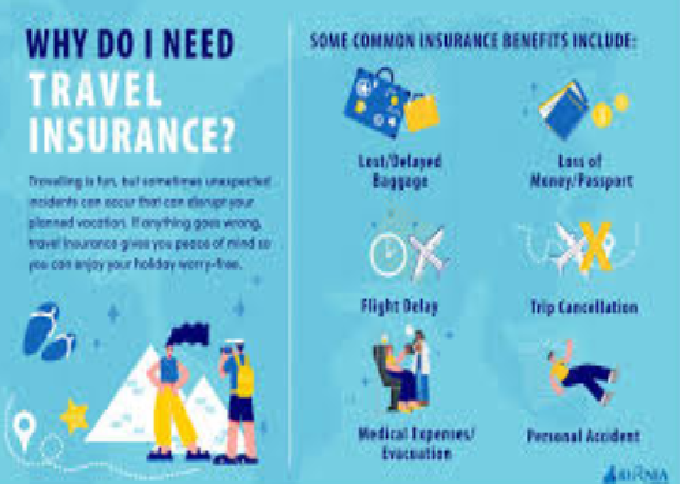
Before diving into myths, let’s understand why travel insurance is necessary in the first place. Travel insurance is designed to protect you financially and medically while traveling. Its benefits typically include:
-
Trip cancellation or interruption coverage (due to illness, family emergency, or unforeseen circumstances)
-
Medical emergencies abroad, including hospitalization and evacuation
-
Lost or delayed baggage compensation
-
Flight delays or cancellations reimbursement
-
24/7 assistance services for emergencies
Without travel insurance, travelers risk paying thousands of dollars out of pocket if things go wrong. With that foundation, let’s tackle the biggest myths.
Myth 1: “I Don’t Need Travel Insurance Because Nothing Will Happen to Me”
Why People Believe This
Many travelers, especially younger ones, believe they are healthy and cautious enough not to need travel insurance. They assume accidents, illnesses, or travel disruptions are rare and only happen to “other people.” This belief often stems from optimism bias—our natural tendency to think we’re less likely than others to experience misfortune.
The Reality
Travel mishaps don’t discriminate. Even the healthiest, most careful traveler can face unforeseen events:
-
Medical emergencies abroad can cost tens of thousands of dollars. For example, a broken bone in Europe or Asia could require surgery and an extended hospital stay. Without insurance, these expenses are entirely your responsibility.
-
Flight disruptions are more common than ever due to weather conditions, labor strikes, and technical issues.
-
Lost luggage affects millions of passengers every year. Imagine arriving in another country with no clothes or essentials.
Travel insurance isn’t about expecting disaster; it’s about being prepared if it strikes. Just as we don’t buy car insurance because we expect accidents, we don’t buy travel insurance because we expect emergencies—we buy it to protect ourselves in case they happen.
Key Takeaway
No traveler is immune to risks. Travel insurance offers peace of mind and financial security, ensuring you don’t turn an adventure into a financial nightmare.
Myth 2: “My Credit Card or Airline Already Covers Me”
Why People Believe This
Some travelers assume that because their credit card or airline offers certain benefits, they don’t need separate travel insurance. Many premium credit cards advertise perks like trip cancellation coverage or lost luggage protection, so it seems like enough.
The Reality
While credit cards and airlines may offer some protection, they often come with significant limitations:
-
Coverage limits are low. Credit card benefits rarely cover the full cost of medical emergencies or trip cancellations. For example, they might only reimburse up to $500, while your loss could be several thousand dollars.
-
Medical emergencies are often excluded. Most credit card protections do not cover hospital bills, emergency medical evacuations, or repatriation.
-
Strict conditions apply. You may only be covered if you purchased the ticket with that specific credit card or booked directly with the airline.
-
Airline coverage is minimal. Airlines may compensate for lost luggage or canceled flights, but they won’t cover medical emergencies or trip interruptions caused by illness.
Example
A traveler relying on a credit card’s lost luggage protection might receive $300 for delayed bags. But if their bags contained $2,000 worth of items, they’re left to cover the difference.
Key Takeaway
Credit cards and airlines can provide supplementary protection, but they’re not substitutes for comprehensive travel insurance. A proper travel insurance plan offers broader, higher-limit coverage with fewer restrictions.
Myth 3: “Travel Insurance Is Too Expensive”
Why People Believe This
Many travelers skip insurance because they think it’s an unnecessary extra expense that adds hundreds of dollars to their trip. When planning travel, people prioritize flights, hotels, and activities, and insurance feels like an optional “luxury.”
The Reality
Travel insurance is actually affordable compared to the risks of traveling uninsured:
-
Cost range: On average, travel insurance costs 4% to 10% of the total trip price. For example, if your trip costs $2,000, insurance may only be $80–$200.
-
Medical emergencies abroad: Without insurance, a hospital stay in the U.S. or Europe could cost $10,000–$50,000 or more. Emergency medical evacuation can exceed $100,000.
-
Trip cancellations: Imagine losing a $5,000 prepaid vacation because you fell ill before departure. Insurance could reimburse you, saving you thousands.
Think of it this way: You wouldn’t hesitate to insure your car or home, which are replaceable assets. Your health, safety, and travel investment are equally important—if not more so.
Example
A traveler who spends $3,500 on a two-week Europe trip may pay around $150 for comprehensive insurance. If they cancel due to illness, that $150 could save them from losing the entire $3,500.
Key Takeaway
Travel insurance isn’t expensive—it’s a small price to pay for financial protection and peace of mind. The real cost comes from not having it when you need it most.
Myth 4: “Travel Insurance Only Covers Big Emergencies”
Why People Believe This
Some assume that travel insurance only applies to catastrophic situations like serious medical emergencies or natural disasters. They don’t realize that it also covers smaller but disruptive events.
The Reality
Travel insurance is designed to cover a wide range of scenarios, both big and small. It’s not just about life-threatening emergencies. Coverage often includes:
-
Trip delays (compensation for meals, hotels, and transportation during delays)
-
Missed connections (reimbursement for additional travel costs)
-
Lost, stolen, or delayed baggage (replacement of personal items)
-
Emergency assistance services like helping you replace a lost passport or connecting you with local doctors
-
Travel interruption due to family emergencies back home
Example
Imagine your flight is delayed overnight due to bad weather. Without insurance, you may pay $200 for a hotel and meals out of pocket. With insurance, these costs are reimbursed.
Key Takeaway
Travel insurance isn’t just for worst-case scenarios—it’s a safety net for everyday travel disruptions that can derail your trip and cost you money.
Myth 5: “All Travel Insurance Policies Are the Same”
Why People Believe This
Some travelers think buying any travel insurance policy is enough. They assume all plans are standardized and provide equal protection, so the cheapest option will do.
The Reality
Not all travel insurance policies are created equal. Coverage varies widely between providers and plans. Common differences include:
-
Coverage limits: One plan might cover $50,000 in medical expenses, while another covers $500,000.
-
Exclusions: Some plans exclude pre-existing conditions, extreme sports, or certain destinations.
-
Trip cancellation reasons: Some policies cover “cancel for any reason” (CFAR), while others only reimburse cancellations for specific causes.
-
Customer service quality: A cheaper plan might save you money upfront but leave you frustrated with poor claim handling later.
Example
A traveler buys the cheapest plan without checking exclusions. Later, they find out their medical emergency isn’t covered because it was related to a pre-existing condition. This could have been avoided by choosing a more comprehensive policy.
Key Takeaway
Always read the policy carefully and choose one that matches your trip type, destination, health needs, and budget. The cheapest plan isn’t always the best—it’s about value, not just price.
Additional Myths Worth Mentioning
Beyond the top five, here are a few other myths travelers often believe:
-
“Domestic trips don’t need insurance.” Even local travel can involve flight cancellations, accidents, or lost baggage.
-
“I can buy travel insurance at the last minute.” Some benefits, like trip cancellation, require buying insurance soon after booking.
-
“My health insurance will cover me abroad.” Many domestic health plans offer little to no coverage overseas.
How to Choose the Right Travel Insurance
Now that we’ve debunked myths, here are tips for selecting the right policy:
-
Assess your trip needs. Long international trips require more coverage than short domestic ones.
-
Look for strong medical coverage. Aim for at least $100,000 in medical and $250,000 in evacuation coverage.
-
Check trip cancellation terms. Ensure it covers illness, emergencies, and other realistic risks.
-
Understand exclusions. If you plan on adventure sports, make sure they’re included.
-
Compare providers. Don’t just buy the first policy you see—shop around for value and reputation.
Final Thoughts
Travel insurance is often misunderstood, but the truth is simple: it’s an essential tool for protecting your health, finances, and peace of mind while traveling. Myths like “it’s too expensive” or “I don’t need it” prevent people from making informed choices. But as we’ve seen, insurance is affordable, flexible, and far more comprehensive than many believe.
By debunking these five myths—that nothing will happen, credit cards are enough, it’s too expensive, it only covers big emergencies, and all policies are the same—you’re now better equipped to make smart travel decisions.
In a world where unexpected events can happen anytime, anywhere, travel insurance ensures that your journey remains about joy, discovery, and adventure—not about financial loss or regret.