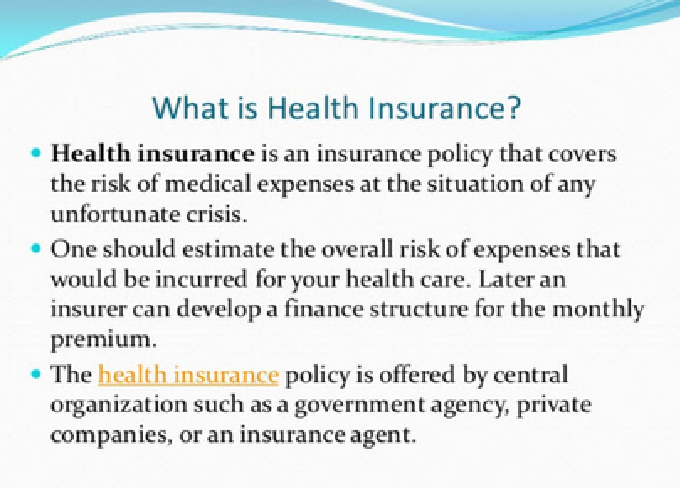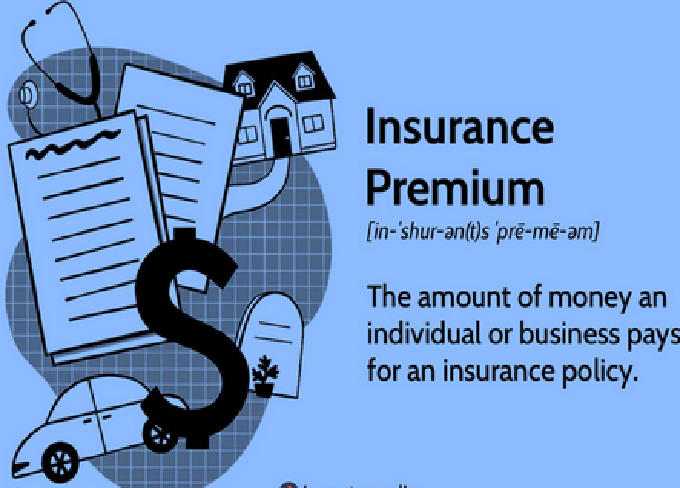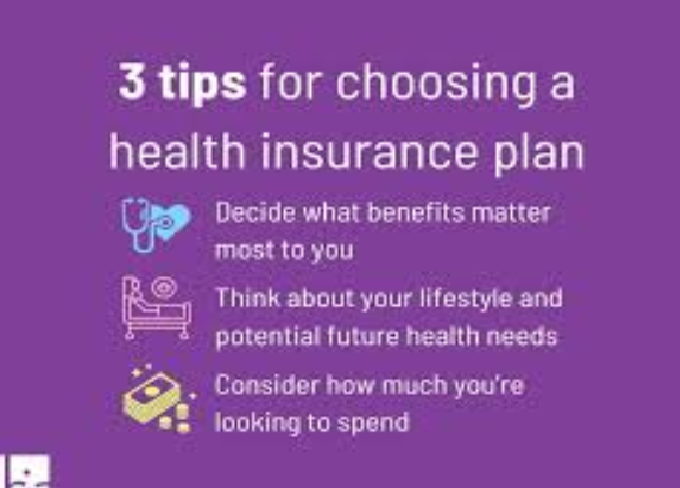
Health insurance is one of the most important financial safety nets in today’s uncertain world. Rising medical costs, lifestyle-related diseases, and unforeseen emergencies make having a solid health insurance plan essential. However, while health insurance protects you from financial strain during medical crises, the premiums and out-of-pocket expenses can often feel heavy on the wallet.
The good news is that there are effective strategies to save money on your health insurance policy without compromising coverage quality. From choosing the right plan to taking advantage of tax benefits, there are many practical steps you can take. In this article, we’ll explore comprehensive tips to save money on your health insurance policy while ensuring you and your family remain well-protected.
1. Understand Your Health Insurance Needs
Before shopping for a health insurance plan, it’s crucial to evaluate your needs. Many people end up buying plans with higher premiums and features they rarely use. This results in unnecessary expenses.
-
Assess your health condition: Consider your age, medical history, lifestyle, and existing health issues.
-
Family size and coverage: If you have dependents, a family floater policy might be more cost-effective than individual plans for each member.
-
Budget constraints: Decide how much you can comfortably spend on premiums each year.
By aligning your plan with your actual needs, you avoid overspending on coverage you may not require.
2. Compare Different Health Insurance Policies
One of the most effective ways to save money is to compare multiple policies before making a decision. Insurance providers offer varied benefits, premium rates, and claim settlement ratios.
-
Use online comparison tools to evaluate plans side by side.
-
Look for hidden charges, such as co-payment clauses, sub-limits, or room rent caps.
-
Check the network of hospitals to ensure your preferred hospitals are covered.
Comparison helps you find a plan that offers maximum benefits at the lowest cost.
3. Opt for a Higher Deductible
A deductible is the amount you agree to pay from your pocket before your insurance coverage kicks in. Choosing a higher deductible often lowers the premium cost.
For example:
-
A plan with a $1,000 deductible may have lower premiums compared to one with a $250 deductible.
-
If you’re generally healthy and don’t expect frequent medical visits, this can significantly reduce yearly costs.
However, ensure you can afford the deductible during an emergency before selecting this option.
4. Choose Family Floater Plans Over Individual Policies
If you want to cover your spouse, children, or parents, a family floater plan is usually more affordable than buying separate individual policies.
-
All family members share a single sum insured.
-
Premiums are lower compared to purchasing multiple standalone policies.
-
Easy management since only one plan covers the entire family.
This option is especially useful for young families with children.
5. Maintain a Healthy Lifestyle
Insurance companies often reward policyholders who lead healthy lives. By staying fit, you not only reduce the chances of making claims but also benefit from wellness programs.
-
Quit smoking and reduce alcohol consumption: Smokers often pay higher premiums.
-
Exercise regularly: Healthy body mass index (BMI) reduces health risks.
-
Preventive check-ups: Early detection of diseases helps avoid costly treatments.
A healthy lifestyle translates into long-term savings on both premiums and medical costs.
6. Buy Health Insurance at a Younger Age
Age is one of the most significant factors affecting your insurance premium. Younger policyholders usually enjoy lower premiums and fewer exclusions.
-
Lower premium lock-in: Buying early allows you to lock in cheaper premiums.
-
Fewer pre-existing conditions: Younger individuals typically don’t have chronic illnesses, resulting in better coverage.
-
Long-term benefits: You build a continuous coverage record, which becomes valuable later.
So, don’t delay purchasing health insurance — the earlier you buy, the more you save.
7. Take Advantage of No-Claim Bonus (NCB)
Many insurers offer a No-Claim Bonus (NCB) if you don’t file a claim during the policy year. This benefit either reduces your premium or increases your sum insured without extra cost.
Example:
-
A policy with a base coverage of $50,000 may increase to $60,000 after one claim-free year.
-
Over time, your coverage can double without a proportional increase in premium.
This incentive encourages policyholders to claim only when necessary and save money in the long run.
8. Opt for Long-Term Policies
Health insurance is usually available as annual policies, but some insurers offer long-term options of 2–3 years.
Benefits include:
-
Discounted premiums for choosing long-term plans.
-
Shield against premium hikes during the policy term.
-
Convenience of avoiding yearly renewals.
This strategy not only saves money but also ensures continuous coverage.
9. Use Preventive Care Services
Many insurance providers offer free or discounted preventive care services, such as annual check-ups, vaccinations, and screenings.
By availing of these services:
-
You reduce the chances of major health issues.
-
You avoid expensive treatments later.
-
You maximize the value of your policy.
Prevention is always cheaper than cure, and it directly lowers long-term healthcare costs.
10. Avoid Over-Insuring Yourself
Some people mistakenly purchase very high coverage amounts out of fear, resulting in unnecessarily high premiums. While sufficient coverage is crucial, buy only what you realistically need.
-
Consider your city’s healthcare costs.
-
Factor in whether your employer provides partial coverage.
-
Adjust coverage as your family and income grow.
Right-sizing your policy prevents premium wastage.
11. Review and Update Your Policy Regularly
Medical needs change with age, lifestyle, and family size. An outdated policy may lead you to pay for unnecessary features or miss affordable upgrades.
-
Annual review: Check whether your coverage still meets your needs.
-
Eliminate unnecessary add-ons if you’re not using them.
-
Switch insurers if you find a more competitive deal.
Regular reviews ensure you get maximum value for your money.
12. Consider Top-Up or Super Top-Up Plans
Instead of buying an entirely new policy for higher coverage, consider top-up or super top-up plans.
-
Top-up plans cover expenses beyond a certain deductible.
-
Super top-up plans cover cumulative expenses in a year.
These are much cheaper than standard policies while still providing extra financial protection for large bills.
13. Take Advantage of Corporate Health Insurance
If your employer provides health insurance, make the most of it. Employer-sponsored plans usually come at a low or zero cost.
-
Check if you can add family members to your employer’s plan at discounted rates.
-
Use it alongside a personal plan for comprehensive coverage.
-
Be mindful that employer coverage ends if you change jobs, so keep a backup plan.
This strategy can save significant money annually.
14. Pay Premiums Annually Instead of Monthly
Many insurers offer discounts if you pay premiums annually in one lump sum instead of monthly installments.
-
Avoids extra charges that may apply for installment options.
-
Simplifies management with a single payment.
-
Can qualify you for loyalty rewards or bonuses.
If possible, pay upfront to lower the overall cost.
15. Claim Tax Benefits
In many countries, health insurance premiums are eligible for tax deductions. For example, under Section 80D of the Income Tax Act in India, policyholders can claim deductions up to a certain limit.
-
Tax savings effectively reduce your overall insurance cost.
-
Senior citizens and family policies often qualify for higher deductions.
-
Consult a tax advisor to maximize this benefit.
By using tax advantages, you lower your net expense while staying covered.
16. Avoid Frequent Small Claims
It’s tempting to file claims for minor expenses, but this can cost you more in the long run.
-
Frequent small claims may prevent you from receiving No-Claim Bonuses.
-
Insurers may increase premiums during renewal.
-
Some companies may even restrict future coverage.
Reserve claims for major expenses and pay minor bills out of pocket to enjoy bigger benefits later.
17. Buy from Trusted Insurers with High Claim Settlement Ratios
While saving money is important, choosing a reliable insurer ensures you don’t face hidden costs during claims.
-
A high claim settlement ratio means your claims are likely to be processed smoothly.
-
Some insurers may offer very low premiums but reject claims often, costing you more later.
-
Check reviews and ratings before buying.
Spending a little extra for a trustworthy provider saves money in the long run.
18. Bundle Insurance Policies
If you have multiple insurance needs — such as health, life, and motor insurance — many providers offer bundled plans or loyalty discounts.
-
Buying multiple policies from one insurer often lowers premiums.
-
Simplifies premium payment and management.
-
Increases negotiation power for renewal discounts.
Bundling is a smart way to reduce costs while maintaining essential coverage.
19. Explore Government-Sponsored Health Insurance Schemes
Depending on your country, you may be eligible for government health insurance schemes that provide affordable coverage.
-
These plans often come at subsidized rates.
-
They provide basic hospitalization benefits.
-
Some schemes allow you to combine them with private plans for enhanced coverage.
Always check if you qualify for such programs to cut down expenses.
20. Negotiate With Your Insurance Provider
Many people don’t realize that premiums can sometimes be negotiated. Especially if you’ve been a loyal customer or have a good claims history, insurers may be open to discussions.
-
Ask for loyalty discounts.
-
Request waiver of unnecessary add-ons.
-
Inquire about wellness benefits that reduce premiums.
A polite negotiation can result in unexpected savings.
Final Thoughts
Health insurance is a vital investment for protecting your financial stability during medical emergencies. However, high premiums and rising healthcare costs can make it challenging to manage. The key to saving money on your health insurance policy lies in smart planning, disciplined health habits, and regular policy reviews.
From buying early, choosing family floater plans, and using top-up policies, to leveraging tax benefits and negotiating with insurers — there are countless ways to reduce costs without sacrificing coverage quality.
Remember: the cheapest plan isn’t always the best. Instead, focus on value for money by balancing affordability, coverage, and reliability. By following the tips outlined above, you can enjoy peace of mind knowing you are well-protected — while keeping your health insurance expenses under control.