Studying abroad is a dream for many students. It opens doors to world-class education, cultural exposure, and life-changing experiences. However, along with excitement comes responsibility, especially when it comes to safety, health, and financial security. One of the most crucial yet often overlooked aspects of preparing for international studies is travel insurance.
For students moving to a foreign country for education, travel insurance offers peace of mind by covering unexpected medical expenses, flight issues, loss of belongings, and more. This detailed guide explains everything you need to know about travel insurance before stepping into your new academic journey abroad.
Why Do Students Need Travel Insurance?
Moving abroad for studies is not the same as going on a short vacation. Students often spend months or years in a new country, where healthcare costs, emergencies, or accidents can quickly become overwhelming.
Here’s why travel insurance is essential:
-
Healthcare Costs Abroad Are Expensive – A simple hospital visit in countries like the USA, UK, or Canada can cost hundreds of dollars. Travel insurance protects you from these hefty bills.
-
University Requirement – Many universities mandate health or travel insurance as part of their admission process. Without it, you may not be allowed to enroll.
-
Emergency Situations – Unexpected events like illness, accidents, or loss of important documents can be financially draining without insurance.
-
Peace of Mind for Parents and Students – Both students and their families can feel reassured knowing that they are covered in case of emergencies.
Types of Travel Insurance Plans for Students
Not all travel insurance policies are the same. Students must choose the right plan based on their destination, university requirements, and personal needs. Here are the main types:
1. Student Travel Insurance
Specifically designed for students, this plan covers medical emergencies, study interruption, loss of passport, and personal liability. It is often cheaper compared to general travel insurance.
2. Health Insurance Abroad
In some countries like Germany or Canada, students must have local health insurance. This covers routine medical checkups, hospitalization, and prescription drugs.
3. Comprehensive Travel Insurance
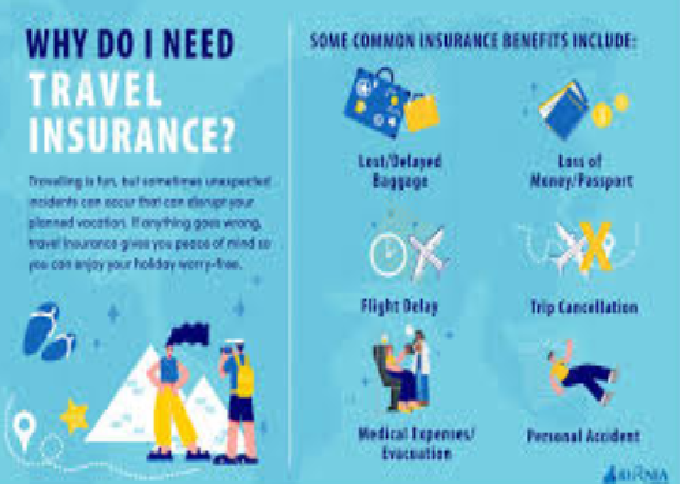
A broader plan that covers not just medical expenses but also baggage loss, theft, trip delays, and personal accidents. Ideal for students traveling frequently or carrying expensive gadgets.
4. Single-Trip vs. Multi-Trip Insurance
-
Single-Trip: Covers one journey to your study destination.
-
Multi-Trip: Suitable if you plan to travel back home or to other countries frequently during your studies.
What Does Student Travel Insurance Cover?
Coverage varies by provider and plan, but most policies include the following:
1. Medical Expenses
-
Doctor consultations
-
Hospitalization costs
-
Surgery and emergency treatment
-
Ambulance charges
2. Medical Evacuation and Repatriation
If a student suffers a severe medical condition, the insurance covers transportation back to their home country or to a better-equipped medical facility.
3. Accidental Death and Disability
In case of a fatal accident, the student’s family receives compensation.
4. Study Interruption
If the student must return home due to medical emergencies or family issues, some policies reimburse tuition fees for the missed semester.
5. Loss of Passport or Important Documents
Covers expenses for obtaining a new passport or visa.
6. Baggage Loss or Delay
Covers financial losses if luggage is lost, stolen, or delayed during travel.
7. Personal Liability
If the student accidentally causes injury to someone or damages property, the policy covers legal and compensation costs.
What is Not Covered (Exclusions)?
Before buying, students should carefully read the exclusions section of the policy. Common exclusions include:
-
Pre-existing medical conditions (unless declared and accepted).
-
Self-inflicted injuries or drug/alcohol-related incidents.
-
Participation in extreme adventure sports without add-on coverage.
-
Traveling against medical advice.
-
Losses due to illegal activities.
How Much Does Student Travel Insurance Cost?
The cost of travel insurance depends on:
-
Destination Country – Insurance for the USA, Canada, or Australia is usually more expensive due to higher healthcare costs.
-
Coverage Amount – The higher the coverage, the higher the premium.
-
Duration of Stay – Longer policies cost more.
-
Add-Ons – Extra coverage for sports, gadgets, or dental care increases the premium.
On average, student travel insurance costs between $300–$800 per year, depending on the policy and destination.
How to Choose the Right Student Travel Insurance
Selecting the best plan can be confusing. Keep these factors in mind:
1. Check University Requirements
Some universities require specific insurance coverage. Always cross-check before purchasing.
2. Compare Multiple Plans
Use online comparison tools to evaluate different policies based on coverage, benefits, and premiums.
3. Understand the Coverage
Ensure it includes medical expenses, evacuation, personal liability, and baggage coverage.
4. Look for Cashless Hospitalization
Many insurers have tie-ups with hospitals abroad where students can get treatment without paying upfront.
5. Read the Exclusions Carefully
Avoid surprises later by knowing what isn’t covered.
Popular Destinations and Their Insurance Rules
Different countries have specific requirements for student travel insurance.
1. USA
-
Universities may provide their own health plans, but students can opt for external insurance if it meets requirements.
-
High healthcare costs make comprehensive coverage essential.
2. UK
-
Students staying over six months get access to the National Health Service (NHS) after paying an immigration health surcharge.
-
Short-term students may still need private insurance.
3. Canada
-
Health insurance is mandatory. Some provinces cover international students under their public healthcare, while others require private insurance.
4. Australia
-
Overseas Student Health Cover (OSHC) is compulsory for all international students.
5. Germany
-
Public health insurance is compulsory for students under 30 years of age. Older students need private insurance.
Benefits of Having Student Travel Insurance
-
Financial Protection – Prevents unexpected expenses from draining your savings.
-
Compliance with Visa Rules – Many countries require proof of insurance for visa approval.
-
24/7 Assistance – Most insurers offer helplines for medical and travel emergencies.
-
Coverage for Non-Medical Risks – Protects against baggage loss, flight delays, and theft.
-
Focus on Studies – Students can concentrate on their education without worrying about emergencies.
Common Mistakes Students Make with Travel Insurance
-
Buying the Cheapest Plan – Low-cost policies may not provide sufficient coverage.
-
Ignoring Policy Terms – Not reading the fine print can lead to claim rejections.
-
Delaying Purchase – Buying insurance at the last moment may limit options.
-
Not Declaring Pre-existing Conditions – This can result in denied claims later.
Step-by-Step Guide to Buying Student Travel Insurance
-
Research Requirements – Check your university and visa guidelines.
-
Compare Policies Online – Use comparison sites to find the best plan.
-
Decide Coverage Amount – Choose based on your destination and healthcare costs.
-
Read Policy Documents – Understand inclusions, exclusions, and claim processes.
-
Purchase Policy – Buy online or through an agent and keep a digital copy handy.
How to Claim Student Travel Insurance
When an emergency occurs, follow these steps:
-
Inform the Insurer Immediately – Contact their helpline for guidance.
-
Collect Documents – Keep medical bills, reports, and police reports (if applicable).
-
Submit Claim Form – Complete and send it with supporting documents.
-
Track Claim Status – Most insurers allow online tracking.
-
Get Reimbursement or Cashless Settlement – Depending on your policy.
Tips to Save Money on Student Travel Insurance
-
Buy long-term policies instead of short-term ones.
-
Choose family plans if more than one member is studying abroad.
-
Avoid unnecessary add-ons.
-
Compare multiple providers before buying.
-
Purchase insurance early to avoid last-minute price hikes.
Frequently Asked Questions (FAQs)
Q1: Is travel insurance mandatory for studying abroad?
Yes, in most cases, either universities or visa authorities require proof of insurance.
Q2: Can I use my home country’s health insurance abroad?
Generally no, unless your insurer has international tie-ups.
Q3: What if I extend my study period?
You can renew or extend your existing travel insurance plan.
Q4: Does travel insurance cover part-time work injuries?
Some policies do, but check with your provider for coverage details.
Q5: Can I buy travel insurance after arriving abroad?
It is better to buy before departure, but some providers allow purchase after arrival.
Final Thoughts
Travel insurance for students is not just a formality—it’s a safety net that ensures peace of mind while pursuing education abroad. From covering medical emergencies to protecting against travel disruptions, it plays a vital role in safeguarding students’ financial and physical well-being.
Before heading abroad, carefully evaluate your destination’s requirements, compare policies, and select a plan that provides comprehensive coverage. A well-chosen insurance plan allows students to focus on what truly matters—their studies and future career—without worrying about unexpected challenges.