When planning for life’s uncertainties, two of the most commonly confused financial safety nets are travel insurance and health insurance. While both provide protection in times of crisis, they serve very different purposes. Travel insurance is designed for short-term coverage when you’re away from home, while health insurance is a long-term system for medical expenses in your own country (and sometimes abroad).
In this article, we’ll break down the differences, benefits, and limitations of each so you can clearly understand how they work and which one you actually need in different scenarios.
Why Understanding the Difference Matters
Many people mistakenly believe that having health insurance means they’re automatically covered when traveling internationally. Others assume travel insurance will pay for every medical bill the same way their health insurance does. These misunderstandings often lead to financial stress during emergencies.
Knowing the differences between the two helps you:
-
Avoid duplicate coverage.
-
Ensure you’re protected in emergencies.
-
Make informed decisions before traveling abroad.
-
Save money by choosing the right policy for the right situation.
What is Health Insurance?
Health insurance is a policy that covers medical expenses, typically within your country of residence. It is meant to reduce the financial burden of doctor visits, hospital stays, surgeries, prescription drugs, and preventive care.
Key Features of Health Insurance
-
Long-Term Coverage
-
Health insurance is usually purchased annually or through an employer and provides continuous coverage.
-
-
Comprehensive Care
-
Covers routine checkups, emergency care, surgeries, prescription drugs, maternity care, and more depending on the plan.
-
-
Network Hospitals and Providers
-
Many health insurance plans work within a network of doctors and hospitals, offering lower costs if you stay in-network.
-
-
Preventive Services
-
Most health insurance policies also cover screenings, vaccinations, and wellness visits.
-
-
Location Boundaries
-
Coverage is usually restricted to your home country. Some premium plans offer limited international coverage, but this is not common.
-
What is Travel Insurance?
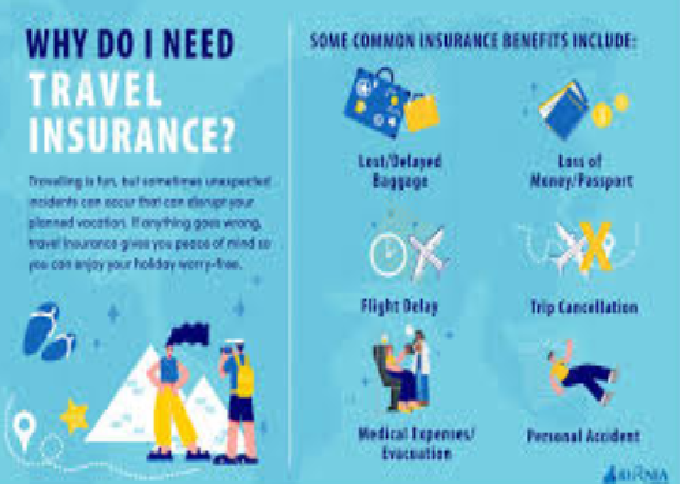
Travel insurance is a short-term policy designed to protect travelers from unexpected problems during a trip. It can cover trip cancellations, lost baggage, flight delays, and emergency medical expenses while abroad.
Key Features of Travel Insurance
-
Short-Term Protection
-
Coverage lasts only for the duration of your trip (days, weeks, or months).
-
-
Emergency Medical Coverage
-
Provides medical assistance if you fall sick or get injured while traveling abroad.
-
-
Non-Medical Benefits
-
Covers trip cancellations, interruptions, lost or delayed baggage, and sometimes even missed flights.
-
-
24/7 Assistance Services
-
Many travel insurance providers offer hotlines to help you find hospitals, arrange transportation, or replace lost documents.
-
-
Exclusions and Limitations
-
Usually does not cover pre-existing conditions unless specified. Coverage is often limited compared to comprehensive health insurance.
-
Key Differences Between Travel Insurance and Health Insurance
Let’s break down the major differences so you can see exactly how each works.
| Feature | Health Insurance | Travel Insurance |
|---|---|---|
| Duration | Long-term (annual, renewable) | Short-term (trip-based) |
| Coverage Area | Mostly domestic, some international | Primarily international (while traveling) |
| Medical Coverage | Comprehensive (routine + emergency) | Emergency medical only |
| Additional Benefits | Preventive care, chronic conditions | Trip cancellations, baggage loss, travel delays |
| Pre-existing Conditions | Often covered (with conditions) | Rarely covered |
| Cost | Monthly/annual premiums | One-time premium for trip duration |
| Best For | Everyday healthcare needs | Emergency support during travel |
When Health Insurance Isn’t Enough Abroad
Even if you have health insurance, it often won’t cover you outside your country. For example:
-
If you break your leg skiing in Switzerland, your local health insurance may not pay the hospital bills.
-
Emergency evacuations, such as airlifting you to another country, are almost never covered by domestic health insurance.
-
Language barriers and lack of direct billing arrangements can make using your home insurance difficult.
This is where travel insurance steps in—offering international medical assistance, hospital referrals, and sometimes even arranging for you to be flown home.
When Travel Insurance Isn’t Enough
On the other hand, travel insurance is not a substitute for health insurance. Here’s why:
-
It doesn’t cover routine care like doctor visits, annual checkups, or long-term medications.
-
Coverage ends when your trip ends. You can’t rely on it for ongoing health conditions.
-
It is emergency-focused only, which means if you have chronic diseases like diabetes or hypertension, it won’t cover the continuous treatment costs.
So, while travel insurance is vital when you leave your country, it cannot replace the comprehensive protection of health insurance.
Scenarios to Understand the Difference
Scenario 1: Business Trip Abroad
Ali, a professional from Pakistan, travels to the UK for a two-week project. His employer provides health insurance in Pakistan, but it doesn’t cover international care. If Ali falls sick in London, his health insurance is useless. A travel insurance policy would pay for his hospital visit.
Scenario 2: Studying Abroad
Sara goes to Canada for university. Since she’ll be living there for years, short-term travel insurance isn’t enough. Instead, she needs health insurance in Canada for ongoing medical care. Travel insurance may help for her journey, but it won’t cover long-term needs.
Scenario 3: Family Vacation
Ahmed takes his family on a 10-day holiday to Turkey. If their flight is delayed or they lose luggage, travel insurance helps. If someone needs emergency medical care, travel insurance also covers it. But once they return home, their regular health insurance continues.
Cost Comparison
Health Insurance Costs
-
Paid monthly or yearly.
-
Usually more expensive because it provides comprehensive care.
-
Premiums depend on age, health condition, and coverage amount.
Travel Insurance Costs
-
Paid once per trip (very affordable compared to health insurance).
-
Cost depends on trip duration, destination, and coverage level.
-
Example: A 2-week trip insurance may cost less than a single doctor’s visit abroad.
Pros and Cons of Health Insurance
Pros
-
Comprehensive and continuous coverage.
-
Covers preventive care and chronic conditions.
-
Essential for long-term healthcare management.
Cons
-
Limited or no international coverage.
-
More expensive than travel insurance.
-
Often requires staying within provider networks.
Pros and Cons of Travel Insurance
Pros
-
Affordable short-term coverage.
-
Includes both medical and non-medical benefits.
-
Provides emergency evacuation and repatriation.
-
Great for peace of mind when traveling abroad.
Cons
-
Short-term only.
-
Limited medical coverage compared to health insurance.
-
Usually excludes pre-existing conditions.
Do You Need Both?
In many situations, the answer is yes.
-
If you are living in your home country: Health insurance is non-negotiable.
-
If you are traveling abroad (short-term): Travel insurance is essential.
-
If you are relocating abroad (long-term): You’ll likely need local health insurance in your new country and possibly initial travel insurance.
Tips for Choosing the Right Coverage
-
Check if your health insurance offers international coverage.
-
Some premium plans include global protection.
-
-
Match travel insurance with trip needs.
-
For example, adventure sports coverage if skiing, or higher limits for expensive destinations.
-
-
Read exclusions carefully.
-
Many policies exclude pre-existing conditions, so know what’s not covered.
-
-
Balance cost with risk.
-
A cheap policy may save money upfront but leave you exposed in emergencies.
-
-
Consider combined plans.
-
Some companies offer hybrid plans with both health and travel features.
-
Final Thoughts
Both travel insurance and health insurance are crucial, but they serve completely different purposes. Health insurance protects you in your everyday life, covering routine and emergency medical needs in your country. Travel insurance, on the other hand, acts as a safety net during trips abroad, covering emergencies, delays, and unexpected losses.
-
Health insurance = Long-term care.
-
Travel insurance = Short-term emergency and trip protection.
If you travel often, having both will give you the most peace of mind. Remember: health is unpredictable, and being prepared with the right type of insurance can save you not only money but also stress when you least expect it.