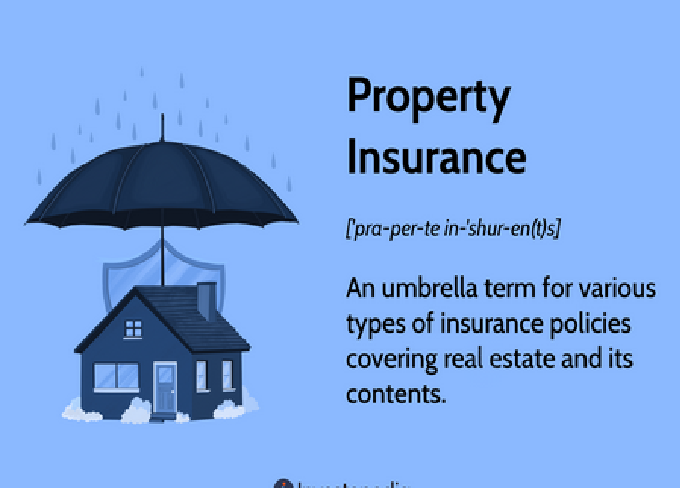
Buying your first home is a milestone that brings excitement, responsibility, and a long list of new decisions to make. Among these, one of the most crucial is purchasing home insurance. For many first-time homeowners, insurance can feel confusing and overwhelming, with terms like deductible, liability coverage, riders, and premiums thrown around by agents and policy documents. But don’t worry—this guide breaks everything down in simple terms so you can understand what home insurance is, why you need it, and how to choose the right policy for your situation.
What Is Home Insurance?
Home insurance (also called homeowner’s insurance) is a contract between you and an insurance company. You pay a monthly or yearly premium, and in return, the company helps cover costs if your home or belongings are damaged, destroyed, or stolen. It also provides financial protection if someone is injured on your property and decides to sue you.
Think of it as a safety net. Without home insurance, you’d be on the hook for repairing or rebuilding your house and replacing personal belongings after an unexpected disaster like a fire, burglary, or storm.
Why Do First-Time Buyers Need Home Insurance?
For first-time buyers, a home is usually the single largest investment they’ll ever make. Protecting it with insurance is essential for several reasons:
-
Mortgage Requirement – Most lenders require home insurance before approving your mortgage. It ensures the property—their collateral—is protected.
-
Financial Protection – Rebuilding a home after a fire or replacing everything after a burglary could cost hundreds of thousands. Insurance covers those expenses.
-
Liability Coverage – If someone slips on your icy driveway and sues you, your insurance can cover legal fees and medical bills.
-
Peace of Mind – Owning a home comes with risks you can’t always control. Insurance helps you sleep easier knowing you’re financially protected.
Key Components of a Home Insurance Policy
Before buying, it’s important to understand the main parts of a policy. Home insurance isn’t just one type of coverage; it’s a package that combines different protections.
1. Dwelling Coverage
This covers the structure of your home itself—the walls, roof, floors, and built-in appliances. If your house is damaged by a covered peril (like fire or windstorm), this pays to repair or rebuild it.
2. Other Structures Coverage
Covers detached structures on your property such as garages, fences, sheds, or gazebos.
3. Personal Property Coverage
Protects your belongings—furniture, clothes, electronics, jewelry, and more—if they’re stolen or damaged. This coverage applies even if items are outside your home, like if your laptop is stolen from your car.
4. Liability Protection
If someone is injured on your property or you accidentally cause damage to someone else’s property, liability coverage pays for legal defense, settlements, or judgments.
5. Additional Living Expenses (ALE)
If your home is uninhabitable after a disaster, ALE covers hotel stays, meals, and other temporary living costs while repairs are being made.
What Events Does Home Insurance Cover?
Policies cover specific perils (events that can cause damage). Commonly covered perils include:
-
Fire and smoke damage
-
Theft or burglary
-
Vandalism
-
Lightning strikes
-
Windstorms and hail
-
Explosions
-
Falling objects
-
Damage from vehicles or aircraft
-
Certain types of water damage (like burst pipes)
What Home Insurance Usually Doesn’t Cover
It’s just as important to know what isn’t covered. Standard policies usually exclude:
-
Flood damage (you’ll need separate flood insurance)
-
Earthquakes (requires separate coverage)
-
Wear and tear or maintenance issues
-
Mold, rot, or pest damage
-
High-value items (like jewelry or art) beyond a certain limit unless you buy extra coverage
Types of Home Insurance Policies
There are different policy forms, but the most common for first-time homeowners is the HO-3 policy. Here’s a quick breakdown:
-
HO-1 (Basic Form) – Covers only a limited list of perils. Rarely used today.
-
HO-2 (Broad Form) – Covers more perils than HO-1 but still limited.
-
HO-3 (Special Form) – Most common. Covers the structure against all risks except exclusions and covers personal property against listed perils.
-
HO-5 (Comprehensive Form) – Offers the most extensive coverage, often at a higher price.
Replacement Cost vs. Actual Cash Value
When it comes to personal property coverage, policies use one of two methods:
-
Replacement Cost – Pays what it costs to buy a new item of similar kind and quality.
-
Actual Cash Value (ACV) – Pays what the item is worth today, factoring in depreciation.
For example, if your 5-year-old laptop is stolen:
-
Replacement cost coverage would buy you a new laptop.
-
ACV coverage would pay the depreciated value, which could be far less.
How Much Home Insurance Do You Need?
A common mistake first-time buyers make is underinsuring their home. Here’s what to consider:
-
Dwelling Coverage – Should equal the cost to rebuild your home (not the purchase price or market value).
-
Personal Property Coverage – Typically 50–70% of dwelling coverage, but you can adjust based on your belongings.
-
Liability Coverage – At least $300,000 is recommended, though $500,000 or more provides better protection.
-
Additional Riders – Add extra coverage for high-value items, floods, earthquakes, or identity theft if needed.
Factors That Affect Your Home Insurance Premium
Insurance companies calculate your premium based on risk. Key factors include:
-
Location – Homes in flood zones, wildfire areas, or high-crime neighborhoods cost more to insure.
-
Home Value & Construction – Larger, more expensive homes or those made of wood may have higher premiums.
-
Deductible – A higher deductible lowers your premium but means you’ll pay more out of pocket in a claim.
-
Claims History – Previous claims on the property or by you personally can raise your rates.
-
Credit Score – In many countries, insurers use credit-based insurance scores to determine risk.
-
Security Features – Installing alarms, cameras, and smoke detectors can reduce premiums.
How to Shop for Home Insurance
For first-time buyers, the shopping process can feel overwhelming. Here’s a step-by-step approach:
1. Assess Your Needs
List your home’s rebuild cost, the value of belongings, and any special risks (like floods or earthquakes).
2. Compare Multiple Quotes
Get quotes from at least 3–5 insurers. Don’t just look at price—compare coverage, deductibles, and customer service ratings.
3. Bundle Policies
Many insurers offer discounts if you bundle home and auto insurance together.
4. Ask About Discounts
You may qualify for savings if you’re a first-time buyer, have no prior claims, or install safety devices.
5. Read the Fine Print
Pay attention to exclusions, limits, and conditions. Don’t rely solely on the agent’s explanation.
Common Mistakes First-Time Buyers Make
Avoid these pitfalls when buying home insurance:
-
Underestimating Rebuild Costs – Insuring for the market price instead of replacement cost.
-
Choosing the Cheapest Policy – Lower premiums may mean less protection.
-
Ignoring Exclusions – Not realizing floods or earthquakes aren’t covered.
-
Not Updating Coverage – Failing to adjust coverage after renovations or major purchases.
-
Forgetting About Deductibles – Choosing a high deductible that’s hard to afford during a claim.
Tips for Saving Money on Home Insurance
-
Raise Your Deductible – If you can afford it, a higher deductible lowers premiums.
-
Improve Security – Install alarm systems, deadbolts, and fire sprinklers.
-
Bundle Policies – Combine home and auto for a discount.
-
Maintain Good Credit – Helps reduce your risk profile.
-
Review Annually – Shop around each year to ensure you’re still getting the best deal.
Filing a Home Insurance Claim
When disaster strikes, knowing how to file a claim is essential.
-
Document the Damage – Take photos or videos immediately.
-
Contact Your Insurer – Report the claim as soon as possible.
-
Provide Proof – Share receipts, inventory lists, or appraisals for damaged items.
-
Get an Adjuster’s Assessment – The insurance company will send someone to inspect.
-
Repair & Replace – Once approved, you’ll receive payment to cover repairs or replacements.
The Role of Home Inventories
Creating a home inventory makes the claims process much smoother. Document each room with photos, videos, receipts, and serial numbers. Store this record digitally in the cloud so it’s safe even if your home is destroyed.
Home Insurance and Natural Disasters
First-time buyers should pay close attention to natural disaster risks. Standard home insurance won’t cover floods or earthquakes. If you live in a high-risk area, consider purchasing separate flood insurance through a government program or private insurer, and earthquake coverage where available.
Home Insurance for Condos and Townhomes
If you’re buying a condo or townhouse, your needs may differ. Typically, the condo association insures the building’s structure, while you need a policy (called HO-6) to cover:
-
The interior walls, floors, and ceilings of your unit
-
Your belongings
-
Liability protection
-
Loss of use coverage
Reviewing and Updating Your Policy
As your life changes, so should your insurance. Update your policy when you:
-
Renovate your home
-
Buy expensive new belongings
-
Add a swimming pool or trampoline (increases liability risk)
-
Get married or have children
-
Pay off your mortgage
Final Thoughts
Buying your first home is an exciting step, but protecting it with the right insurance is just as important. Home insurance may seem complicated at first, but once you understand the basics—coverage types, exclusions, and how premiums are calculated—it becomes much easier to navigate.
For first-time buyers, the best approach is to carefully assess your needs, compare quotes from multiple providers, and avoid the temptation of the cheapest policy. With the right coverage in place, you’ll have peace of mind knowing that your investment and everything inside it are safe.