Insurance is a cornerstone of financial security, offering peace of mind and protection against unforeseen risks. However, when it comes to insuring tangible assets, particularly real estate and physical possessions, confusion often arises between home insurance and property insurance. Many people mistakenly believe they are interchangeable, but in reality, they serve different purposes and cater to unique needs.
This comprehensive article explains the distinctions between home insurance and property insurance, their coverage areas, benefits, limitations, and how to choose the right policy depending on your circumstances. By the end, you’ll have a clear understanding of which insurance suits your situation best—or whether you might need both.
What is Home Insurance?
Home insurance, also known as homeowners insurance, is a type of policy designed specifically to protect residential properties. It covers the physical structure of a home, the contents inside, and provides liability protection in case someone is injured on the property.
Home insurance is typically tailored for:
-
Homeowners (those who own and live in the property)
-
Mortgage holders (banks often require it before approving loans)
-
Families and individuals seeking comprehensive home protection
A standard home insurance policy usually covers:
-
Dwelling Coverage – Protection for the physical structure, including walls, roof, floors, and built-in systems (plumbing, heating, etc.).
-
Personal Belongings Coverage – Coverage for items inside the home, such as furniture, electronics, and clothing.
-
Liability Protection – Financial protection if someone is injured on your property or if you cause damage to another person’s property.
-
Additional Living Expenses (ALE) – Covers temporary housing and living costs if your home becomes uninhabitable due to a covered event.
In short, home insurance is residential-focused, safeguarding both the physical house and the lifestyle of its occupants.
What is Property Insurance?
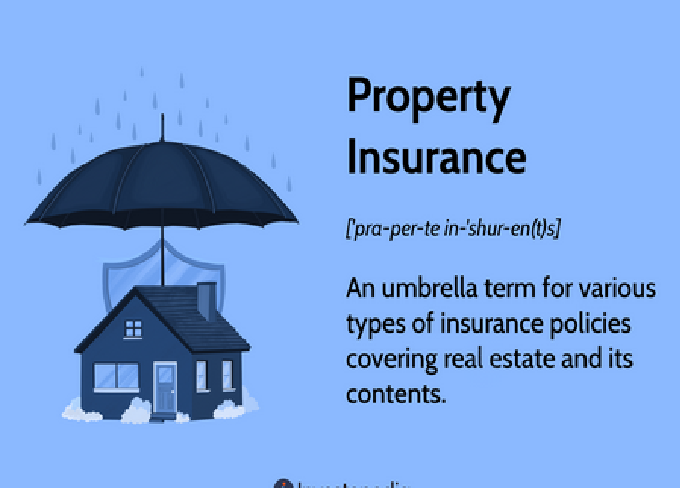
Property insurance is a broader category of insurance that covers physical assets against risks such as fire, theft, vandalism, and natural disasters. Unlike home insurance, it is not restricted to residential houses—it extends to:
-
Commercial buildings (offices, shops, warehouses, factories)
-
Rental properties
-
Farmland and industrial sites
-
Valuable assets like jewelry, art, or machinery
Property insurance is highly customizable and can include:
-
Building Coverage – For physical structures, whether residential, commercial, or industrial.
-
Contents Coverage – For equipment, inventory, furniture, or other valuable items stored inside.
-
Business Interruption Coverage – Compensation for lost income if a business must halt operations due to property damage.
-
Specialized Asset Coverage – For unique items like artwork, antiques, or heavy machinery.
Simply put, property insurance is an umbrella category, and home insurance is just one of its subsets.
Key Differences Between Home Insurance and Property Insurance
Although both serve to protect against risks, the scope, coverage, and purpose differ significantly. Let’s break down the main differences:
1. Scope of Coverage
-
Home Insurance: Focuses exclusively on residential homes and belongings.
-
Property Insurance: Covers all types of properties—residential, commercial, industrial, and even valuable standalone assets.
2. Target Audience
-
Home Insurance: For homeowners, renters (via renter’s insurance), and families living in a residence.
-
Property Insurance: For business owners, landlords, corporations, farmers, and anyone with valuable physical assets.
3. Liability Protection
-
Home Insurance: Includes liability for personal injury or property damage caused by the homeowner or family members.
-
Property Insurance: Liability coverage may or may not be included; in commercial property policies, it’s often a separate add-on.
4. Living Expenses vs. Business Continuity
-
Home Insurance: Pays for temporary accommodation if your house becomes unlivable.
-
Property Insurance: Provides business interruption coverage for lost revenue and operating expenses.
5. Regulatory Requirement
-
Home Insurance: Often mandatory when taking a mortgage.
-
Property Insurance: Sometimes required by lenders, landlords, or business contracts.
6. Customization
-
Home Insurance: Standardized packages with add-ons like flood or earthquake coverage.
-
Property Insurance: Highly customizable based on property type, location, and industry.
Common Misconceptions
1. “Property insurance and home insurance are the same.”
While home insurance falls under the umbrella of property insurance, the latter includes far broader coverage for different types of assets.
2. “Home insurance will cover my business property.”
Most home insurance policies exclude coverage for business-related assets, making property insurance essential for entrepreneurs.
3. “Renters don’t need any insurance.”
Even if you don’t own the property, renter’s insurance (a form of home insurance) protects your personal belongings and liability.
Benefits of Home Insurance
-
Affordable Protection – Premiums are relatively low compared to the potential loss from disasters.
-
Peace of Mind – Knowing your home and belongings are protected reduces financial anxiety.
-
Liability Coverage – Shields you from lawsuits if someone is injured on your property.
-
Mortgage Approval – Most lenders won’t approve home loans without insurance.
-
Extra Add-ons – Options for flood, earthquake, and luxury item coverage.
Benefits of Property Insurance
-
Broad Coverage – Protects both residential and commercial properties.
-
Business Continuity – Ensures operations can resume after disasters, minimizing financial losses.
-
Customizable Policies – Tailored to industries, asset types, and risk levels.
-
Covers High-Value Assets – Unlike standard home insurance, property insurance can cover artwork, machinery, and specialized equipment.
-
Global Applicability – Essential for multinational businesses with properties in various regions.
Limitations and Exclusions
No insurance policy is perfect, and both home and property insurance have limitations.
Home Insurance Exclusions
-
Damage from neglect, poor maintenance, or wear and tear.
-
Certain natural disasters like floods or earthquakes (unless add-ons are purchased).
-
Business-related equipment and assets.
Property Insurance Exclusions
-
War, nuclear risks, or intentional damage.
-
Gradual deterioration of assets.
-
Some policies exclude cyber risks unless explicitly covered.
Real-Life Scenarios
-
Case 1: The Homeowner
Sarah buys a home with a mortgage. The bank requires home insurance. When a kitchen fire damages part of the house, her home insurance covers repairs, damaged appliances, and temporary housing. -
Case 2: The Business Owner
Ali owns a textile factory. A fire destroys machinery and halts operations. His property insurance covers rebuilding, equipment replacement, and lost income during downtime. -
Case 3: The Renter
James rents an apartment. A burglary results in stolen electronics. His renter’s insurance (a form of home insurance) reimburses him for the stolen items, though the landlord’s insurance covers only the building.
Factors to Consider When Choosing Between Home and Property Insurance
-
Type of Property – Is it residential, commercial, or industrial?
-
Purpose – Are you living in it, renting it, or running a business?
-
Value of Assets – Do you have specialized or high-value items needing extra coverage?
-
Risk Factors – Is the property in a flood zone, earthquake-prone area, or high-crime neighborhood?
-
Budget – Balance premium costs with potential risk exposure.
Why You Might Need Both
In some cases, both home and property insurance may be necessary. For example:
-
If you live in a home but also run a small business from it, you may need home insurance plus separate property insurance for business assets.
-
Landlords may need property insurance for the building and encourage tenants to have home/renter’s insurance for personal belongings.
Future Trends in Home and Property Insurance
-
Technology Integration – Use of smart home devices to reduce risks and lower premiums.
-
Climate Change Impact – Increasing demand for flood, hurricane, and wildfire add-ons.
-
Customized Policies – Greater flexibility to create hybrid home-property policies.
-
Digital Claims Processing – Faster, AI-driven settlements.
-
Cyber Coverage – Growing inclusion of cyber protection for smart homes and businesses.
Conclusion
Although home insurance and property insurance are often confused, they are not identical. Home insurance is designed for residential protection, offering peace of mind to families and homeowners. Property insurance, on the other hand, is broader, extending protection to businesses, landlords, and specialized assets.
When deciding between the two, consider the nature of your property, its use, and your long-term financial goals. In some cases, you may benefit from carrying both. Ultimately, understanding these key differences ensures you choose the right coverage to safeguard your most valuable assets.