Traveling to new destinations is exciting, but it also comes with uncertainties. From flight delays and lost baggage to sudden illnesses or accidents abroad, unexpected events can quickly turn a dream trip into a stressful experience. That’s where travel insurance comes in — it acts as a safety net, ensuring that you are financially and practically supported when things don’t go as planned.
However, with countless insurance providers and policies available, choosing the right plan can be overwhelming. Not all policies are created equal, and the “best” travel insurance for you will depend on your destination, duration of travel, planned activities, health conditions, and budget.
This article will walk you through everything you need to know about selecting the best travel insurance plan for your journey, breaking down the key features, coverage types, and factors to consider before making a decision.
Why Do You Need Travel Insurance?
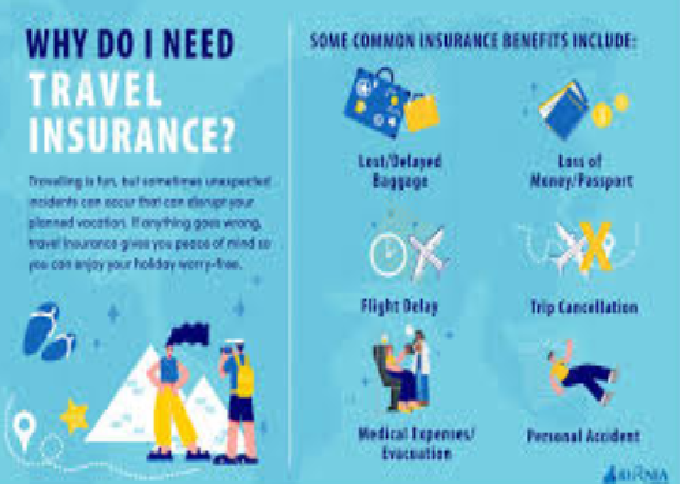
Before diving into how to choose the right plan, it’s important to understand why travel insurance matters. Many travelers mistakenly think it’s an unnecessary expense until they experience a crisis abroad. Here are the primary reasons to invest in a travel insurance policy:
-
Medical Emergencies Abroad: Healthcare costs can be extremely high in certain countries, and your domestic health insurance may not cover international treatment.
-
Trip Cancellation or Interruption: Unexpected events like illness, injury, or family emergencies may force you to cancel or cut short your trip, causing significant financial loss.
-
Lost, Stolen, or Delayed Baggage: Insurance ensures you’re compensated for essentials and valuables if your belongings go missing.
-
Flight Delays or Cancellations: Policies often reimburse meals, accommodation, or rescheduling costs.
-
Emergency Evacuations: In case of political unrest, natural disasters, or severe health issues, evacuation coverage can save lives and huge expenses.
Clearly, travel insurance is not just a “nice-to-have” but an essential part of any trip.
Step 1: Assess Your Travel Needs
The first step in choosing the best travel insurance plan is identifying your specific requirements. Different travelers have different needs, so ask yourself:
-
What is the destination? Medical costs, risk factors, and insurance regulations vary across countries. Traveling to the U.S., for instance, requires more robust medical coverage than visiting a European country.
-
What is the duration of travel? Short vacations may only require single-trip coverage, while frequent travelers may benefit from annual multi-trip plans.
-
What activities will you engage in? Adventure sports, skiing, scuba diving, or hiking may require special coverage.
-
Do you have pre-existing medical conditions? Some policies exclude these unless specifically declared and covered.
-
Are you traveling solo, with family, or in a group? Family or group policies can be more economical than buying individual plans.
Understanding your travel profile helps narrow down the type of policy that will serve you best.
Step 2: Understand the Types of Travel Insurance
Travel insurance comes in various forms, and knowing the differences will help you pick wisely.
1. Single-Trip Insurance
Covers you for one journey from departure to return. Best for occasional travelers.
2. Multi-Trip (Annual) Insurance
Valid for multiple trips within a year. Ideal for business travelers or frequent flyers.
3. Medical Travel Insurance
Focuses mainly on healthcare expenses, emergency evacuation, and hospital stays abroad.
4. Comprehensive Travel Insurance
Covers medical emergencies, trip cancellations, delays, baggage loss, and more. Best for complete peace of mind.
5. Specialized Insurance Plans
-
Adventure Sports Insurance – Covers injuries during activities like skiing, paragliding, or scuba diving.
-
Student Travel Insurance – Designed for students studying abroad, covering tuition interruption, medical care, and personal liability.
-
Senior Citizen Travel Insurance – Tailored for older travelers, often with higher medical coverage.
Choosing the right type depends on the nature of your journey.
Step 3: Compare Coverage Options
Once you know the type of insurance you need, compare coverage details. Here are the main aspects to evaluate:
1. Medical Coverage
-
Look for policies offering at least $100,000 in overseas medical coverage.
-
Check whether pre-existing conditions are covered.
-
Ensure coverage includes emergency evacuation and repatriation.
2. Trip Cancellation & Interruption
-
Policies should cover cancellations due to illness, accidents, natural disasters, or unforeseen emergencies.
-
Look for reimbursement of prepaid, non-refundable expenses like flights, hotels, and tours.
3. Baggage & Personal Belongings
-
Compensation for lost, stolen, or delayed luggage.
-
Coverage for essential items during baggage delays.
-
Check limits for valuable items like electronics, jewelry, or cameras.
4. Travel Delays & Missed Connections
-
Coverage for meals, accommodation, and transport during delays.
-
Compensation if you miss a connecting flight due to airline issues.
5. Emergency Evacuation & Repatriation
-
Crucial for remote destinations or politically unstable regions.
-
Covers transportation to the nearest hospital or return to your home country.
6. Personal Liability
-
Provides coverage if you accidentally cause harm to others or damage property while abroad.
By comparing these coverage options, you can filter out weak plans that don’t offer sufficient protection.
Step 4: Read the Fine Print
Travel insurance policies often come with terms and conditions that can be confusing. Carefully read the exclusions and limitations:
-
Common Exclusions:
-
Pre-existing medical conditions (unless declared and accepted).
-
Injuries from extreme sports not covered under the standard plan.
-
Alcohol or drug-related incidents.
-
Traveling against medical advice.
-
-
Claim Process: Check how easy it is to file claims, what documents are required, and the timeline for settlement.
-
Deductibles: Some policies require you to pay a portion of expenses before insurance coverage kicks in.
Understanding the fine print prevents unpleasant surprises when you need to make a claim.
Step 5: Check the Insurance Provider’s Reputation
Not all insurance companies are equally reliable. When selecting a provider, consider:
-
Financial Stability: Choose well-established companies that can afford to pay claims.
-
Global Assistance Network: A 24/7 emergency helpline and local partners for quick response.
-
Customer Reviews: Look for feedback on claim settlement speed and customer service.
-
Accreditation: Verify if the company is recognized by international travel associations.
Reputation matters as much as coverage — after all, you want an insurer that will support you in times of crisis.
Step 6: Compare Costs vs. Benefits
Price should not be the only factor when buying travel insurance. A cheap policy may save money upfront but leave you vulnerable later. Compare:
-
Premium Costs: Match the premium with the coverage offered.
-
Coverage Limits: Higher limits provide better protection but may cost more.
-
Add-On Benefits: Some insurers offer add-ons like COVID-19 coverage, adventure sports protection, or rental car insurance.
Aim for a balance between affordability and adequate coverage.
Step 7: Consider Special Circumstances
Depending on your situation, you may need specialized coverage:
-
For Families: Family plans can be more affordable than buying multiple individual policies.
-
For Students: Ensure tuition interruption and medical coverage abroad.
-
For Senior Citizens: Look for policies with higher medical coverage and fewer restrictions.
-
For Frequent Travelers: Annual multi-trip policies are cost-effective.
-
For Business Trips: Some policies include coverage for lost business documents or equipment.
Tailoring insurance to your circumstances ensures maximum value.
Step 8: Seek Expert Advice
If you’re confused, consider:
-
Consulting a travel agent who specializes in international trips.
-
Asking frequent travelers for recommendations.
-
Contacting the insurance company directly to clarify doubts.
Professional guidance can help you avoid costly mistakes.
Common Mistakes to Avoid When Buying Travel Insurance
-
Buying the Cheapest Plan Available – Low premiums often mean limited coverage.
-
Ignoring Pre-Existing Conditions – Not declaring them can void your claim.
-
Overlooking Country-Specific Requirements – Some destinations (like Schengen countries) have mandatory coverage limits.
-
Assuming Credit Card Insurance Is Enough – Credit card coverage is often limited compared to dedicated policies.
-
Not Checking the Claim Process – Complicated claim systems can delay reimbursements.
Avoiding these mistakes ensures you get the right plan without unnecessary risks.
Practical Tips for Making the Final Choice
-
Start researching early, not at the last minute.
-
Compare at least 3–5 insurance providers.
-
Choose policies that offer 24/7 global support.
-
Save copies of your insurance documents digitally and physically.
-
Familiarize yourself with the claims procedure before departure.
Final Thoughts
Travel insurance is not just an additional expense — it’s an investment in peace of mind. With the right plan, you can explore the world knowing you’re protected from unexpected events. The “best” policy is not necessarily the most expensive one, but the one that fits your travel style, health needs, and budget.
By carefully assessing your requirements, comparing coverage options, reading the fine print, and checking the provider’s reputation, you can confidently select a plan that ensures safe and stress-free travel.
Remember: the goal of travel insurance is not just to protect your money, but also to protect you and your loved ones in times of need.