Air travel has become one of the most convenient ways to explore the world, whether for business, vacations, family visits, or emergencies. However, despite the technological advancements in aviation, one factor that travelers can never completely control is flight disruptions. Flight cancellations and delays are increasingly common due to factors such as weather changes, airline issues, strikes, or even global events like pandemics.
These disruptions not only cause frustration but can also lead to financial losses, missed opportunities, and emotional stress. This is where travel insurance comes into play. Having a comprehensive travel insurance policy can safeguard you from unexpected expenses and give you peace of mind when your travel plans go sideways.
In this article, we’ll dive deep into how travel insurance protects you from flight cancellations and delays, its benefits, coverage options, exclusions, and practical tips to maximize your policy.
Understanding Travel Insurance
Before diving into the specifics of cancellations and delays, it’s important to understand what travel insurance is.
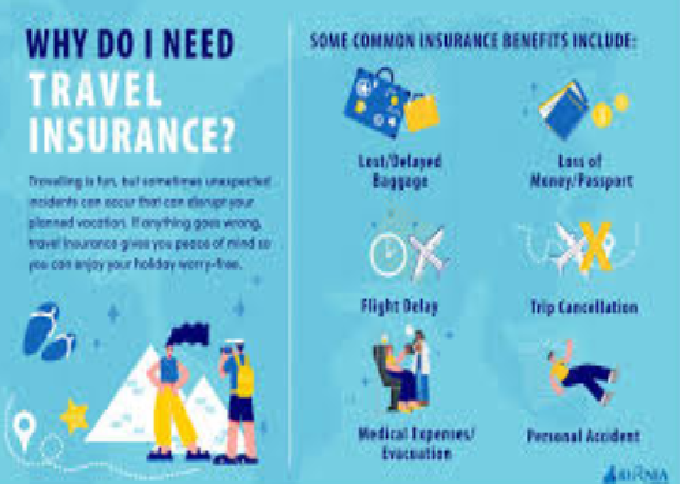
Travel insurance is a specialized insurance product designed to cover unexpected expenses during domestic or international trips. Depending on the type of policy you purchase, it may cover:
-
Flight cancellations and delays
-
Trip interruption or curtailment
-
Medical emergencies abroad
-
Lost or delayed baggage
-
Accidental injury or death
-
Emergency evacuations
-
Travel assistance services
For frequent flyers, travel insurance can act as a financial safety net, helping recover costs that airlines or other travel providers may not refund.
Why Flight Disruptions Happen
Flight disruptions occur more often than many travelers expect. According to aviation statistics, millions of flights worldwide experience delays every year, and thousands are outright canceled. Common reasons include:
-
Weather Conditions – Storms, fog, hurricanes, or snow can ground flights.
-
Technical Issues – Aircraft malfunctions or maintenance problems.
-
Airline Staff Strikes – Pilots, cabin crew, or ground staff strikes can halt operations.
-
Airport Congestion – Busy hubs can cause chain reaction delays.
-
Political or Security Events – Terror threats, protests, or government advisories.
-
Health Crises – Pandemics or sudden outbreaks.
Regardless of the reason, passengers bear the burden of rearranging their schedules and managing additional costs such as hotel stays, meals, and rescheduled tickets.
How Travel Insurance Protects You from Flight Cancellations
1. Reimbursement of Non-Refundable Costs
When a flight gets canceled, travelers often lose non-refundable expenses like:
-
Prepaid hotel bookings
-
Tours and excursions
-
Rental cars
-
Event tickets
A good travel insurance policy reimburses these costs if your trip is canceled due to a covered reason. For instance, if a storm cancels your flight, you won’t be left to absorb the financial loss alone.
2. Coverage for Rescheduled Flights
If your flight is canceled and you need to book a new one, travel insurance can cover the difference in ticket prices. Airlines may offer refunds, but they don’t always pay for rebooking on another carrier.
3. Protection Against Airline Bankruptcy
Sometimes, airlines themselves face financial troubles and cancel flights permanently. Travel insurance can help you recover costs or pay for alternate travel.
4. Trip Interruption Benefits
If your trip gets canceled mid-way—say, your return flight is canceled due to unforeseen issues—insurance can cover the additional costs of staying longer or finding a new route home.
How Travel Insurance Protects You from Flight Delays
1. Compensation for Extended Delays
Most travel insurance policies offer a “travel delay benefit” that kicks in when your flight is delayed beyond a certain threshold (often 3–12 hours). Coverage may include:
-
Meals
-
Accommodation
-
Transportation to/from the airport
For example, if your evening flight is delayed until the next morning, your insurance will cover your hotel stay and meals.
2. Coverage for Missed Connections
Delays often lead to missed connecting flights, especially on international trips. Travel insurance covers the cost of booking a new connection or alternative arrangements.
3. Financial Support During Layovers
If a long delay leaves you stranded in an unfamiliar city, your insurance will help cover the extra expenses while you wait.
4. Compensation for Lost Time
Some premium policies even offer cash compensation for the inconvenience of delays, beyond just reimbursing expenses.
Real-Life Example of How Travel Insurance Helps
Imagine this scenario:
You book a trip from Lahore to London for a business conference. Your non-refundable hotel is already paid, and you’ve purchased tickets to attend a professional event. On departure day, heavy fog cancels your flight, and the next available flight is two days later.
Without travel insurance:
-
You lose your hotel booking and event tickets.
-
You pay for meals and extra accommodation while waiting.
-
You may miss the entire conference.
With travel insurance:
-
Your non-refundable hotel and event tickets are reimbursed.
-
Meals and accommodation during your wait are covered.
-
If necessary, your insurance pays for rebooking on another airline to get you to London faster.
This financial safety net ensures that one canceled flight doesn’t result in thousands of dollars of loss.
Key Coverage Features to Look for
When buying travel insurance for protection against cancellations and delays, pay close attention to:
-
Trip Cancellation Coverage – Should cover illness, weather, strikes, or airline issues.
-
Trip Interruption Coverage – For mid-trip disruptions.
-
Travel Delay Benefit – Covers expenses during delays.
-
Missed Connection Coverage – Helps when delays cause you to miss your onward flight.
-
24/7 Assistance Services – Essential for rebooking and navigating emergencies abroad.
Common Exclusions You Should Know
Not all disruptions are covered. Most travel insurance policies exclude:
-
Pre-existing conditions (unless you buy a waiver)
-
Voluntary cancellations (deciding not to travel for personal reasons)
-
Unapproved airlines or travel providers
-
Extreme weather known before purchase (e.g., buying insurance after a storm is forecasted)
-
Civil unrest in high-risk countries
Always read the fine print to avoid surprises.
Tips for Maximizing Travel Insurance Benefits
-
Buy Early – Purchase insurance right after booking your trip to maximize coverage.
-
Keep Receipts – For hotels, meals, and alternative flights, receipts are crucial for claims.
-
Understand Time Limits – Know how many hours of delay are required before benefits apply.
-
Use 24/7 Support – Contact your insurer as soon as disruptions occur for guidance.
-
Choose the Right Policy – Frequent flyers may benefit from annual multi-trip policies.
Comparing Travel Insurance vs. Airline Compensation
Some travelers believe airlines will always compensate for delays and cancellations, but this is not guaranteed.
-
Airline Compensation: Often limited to rebooking or vouchers, and laws vary by country.
-
Travel Insurance: Broader coverage, including hotels, meals, and non-refundable bookings.
For international travelers, relying only on airlines can be risky. Insurance ensures an added layer of financial protection.
The Peace of Mind Factor
Beyond financial coverage, travel insurance offers something equally valuable: peace of mind. Knowing that you are covered against the unpredictability of air travel reduces stress and allows you to focus on enjoying your journey.
Imagine boarding a flight without worrying about “what if.” That sense of security alone often justifies the cost of the policy.
The Cost vs. Benefit Equation
Travel insurance usually costs between 4% to 10% of the total trip price. For example, if your trip costs $3,000, insurance might cost between $120–$300.
While some travelers hesitate to spend extra, consider the potential losses:
-
$1,500 in prepaid hotels
-
$600 for missed tours
-
$400 for meals and lodging during delays
Compared to these, the insurance premium is a small price to pay for financial security.
Future of Travel Insurance in an Unpredictable World
Global travel disruptions are likely to continue due to climate change, pandemics, and geopolitical instability. As a result, travel insurance is becoming less of a luxury and more of a necessity.
Modern insurers are also offering AI-driven claims processing, real-time travel alerts, and app-based support services, making it easier than ever to handle disruptions.
Conclusion
Flight cancellations and delays are inevitable parts of modern travel, but they don’t have to ruin your trip or your budget. Travel insurance acts as a safety net, ensuring that you’re reimbursed for non-refundable expenses, covered for delays, and supported in emergencies.
From business travelers on tight schedules to families on once-in-a-lifetime vacations, the value of travel insurance cannot be overstated. Investing in the right policy means investing in your peace of mind, financial protection, and travel security.
So, the next time you book a trip, don’t just focus on your flight and hotel—make travel insurance part of your essential checklist. It might be the difference between a ruined journey and a manageable inconvenience.