Traveling is one of life’s greatest joys. Whether you’re going on a long-awaited vacation, an adventurous backpacking trip, or a quick business journey, there’s always excitement in exploring new places. However, with that excitement comes uncertainty. Flights can be delayed, luggage can get lost, illnesses may arise, and emergencies can strike without warning.
This is where travel insurance steps in. But many travelers ask: Is travel insurance really worth it? After all, it’s an additional expense on top of already costly trips. In this comprehensive guide, we’ll break down the pros and cons of travel insurance so you can make an informed decision for your next journey.
Understanding Travel Insurance
Before weighing the pros and cons, let’s first understand what travel insurance actually is.
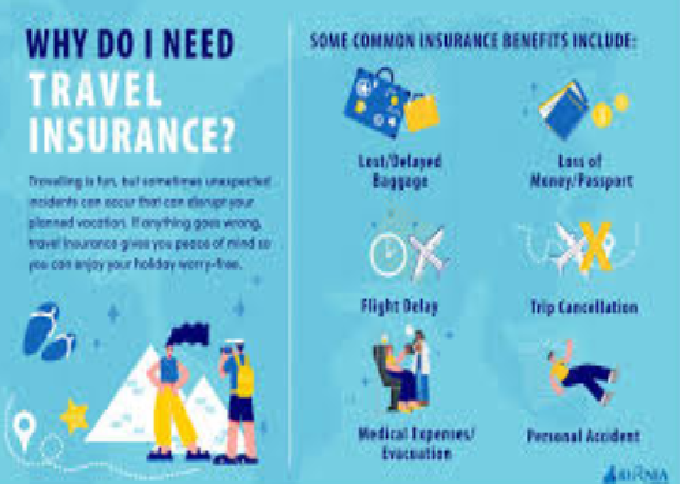
Travel insurance is a protection plan that covers financial risks and losses that might occur while traveling. Policies vary, but they typically cover:
-
Trip cancellations or interruptions
-
Medical emergencies abroad
-
Lost, stolen, or delayed baggage
-
Flight delays or missed connections
-
Emergency evacuations and repatriation
Travel insurance can be purchased per trip, annually for frequent travelers, or sometimes comes bundled with credit cards and airline memberships.
Why People Consider Travel Insurance
The idea of travel insurance is simple: peace of mind. Just like car or health insurance, you might not need it every time, but when you do, it can save you from financial disasters.
Imagine booking a $5,000 family vacation and then falling ill a week before departure. Without insurance, you could lose all that money. With it, you’d get reimbursed. Or consider traveling abroad and needing an emergency hospital stay that costs tens of thousands of dollars—insurance could cover that too.
The Pros of Travel Insurance
1. Protection Against Trip Cancellations and Interruptions
One of the biggest advantages is financial protection if your trip gets canceled or interrupted due to unforeseen events such as illness, injury, natural disasters, or even airline bankruptcy.
-
Without insurance: You could lose non-refundable deposits, hotel bookings, and prepaid tours.
-
With insurance: You can claim a refund for those expenses.
This is particularly valuable for expensive international trips or cruises where cancellation fees are high.
2. Coverage for Medical Emergencies Abroad
Healthcare costs vary greatly across the world. In countries like the U.S., Japan, or parts of Europe, even a short hospital stay can cost thousands of dollars.
-
Without insurance: You may have to pay out of pocket, which can drain your savings.
-
With insurance: Emergency treatments, ambulance services, and even medical evacuation can be covered.
This makes travel insurance especially important for travelers with pre-existing health concerns or those engaging in adventurous activities like skiing or scuba diving.
3. Compensation for Lost or Delayed Luggage
Airlines lose or mishandle millions of bags each year. Even if luggage is only delayed, it can cause huge inconvenience.
-
Without insurance: You may have to buy clothing, toiletries, and essentials yourself.
-
With insurance: You get reimbursed for lost belongings or receive compensation for buying temporary essentials until your luggage arrives.
4. Assistance Services
Most travel insurance plans come with 24/7 assistance hotlines. These services help with:
-
Locating nearby hospitals
-
Translating foreign languages in medical emergencies
-
Coordinating emergency evacuations
-
Helping with lost passports or stolen credit cards
Having this support can be a lifesaver, especially in countries where you don’t speak the language.
5. Coverage for Travel Delays and Missed Connections
Delays are one of the most frustrating parts of travel. Insurance can help by:
-
Reimbursing costs of meals, hotels, or new flights if delays extend beyond a certain number of hours.
-
Covering expenses for missed connecting flights caused by delays.
This is particularly helpful during peak travel seasons when delays are common.
6. Peace of Mind
Ultimately, the biggest benefit is psychological. Knowing you’re protected allows you to travel with confidence. Instead of worrying about “what ifs,” you can focus on enjoying your journey.
The Cons of Travel Insurance
1. Added Expense
The biggest drawback is cost. Travel insurance typically costs 4–10% of your total trip cost.
-
For a $3,000 trip, that’s an additional $120–$300.
-
For budget travelers, this can feel like a burden.
If you rarely cancel trips or travel to low-risk destinations, you might feel insurance isn’t worth the money.
2. Exclusions and Limitations
Not everything is covered, and many travelers don’t realize this until it’s too late. Common exclusions include:
-
Pre-existing medical conditions (unless you buy special coverage)
-
Extreme sports or adventure activities
-
Pandemics or government travel bans (some policies now cover COVID-19, but not all)
-
Losses due to negligence, like leaving baggage unattended
Reading the fine print is crucial. Many people assume they’re covered for everything when in reality, coverage has limits.
3. Claim Denials and Paperwork
Making a claim can be a hassle. Insurance companies often require extensive documentation such as medical reports, receipts, and official records. Delays in reimbursement are common, and some claims may be denied if the insurer finds a loophole in the policy.
4. Overlap with Existing Coverage
Sometimes, you may already be covered without realizing it:
-
Credit cards often provide travel protection.
-
Health insurance may cover emergencies abroad.
-
Airlines may reimburse baggage delays.
In such cases, buying separate travel insurance might be redundant.
5. Risk Tolerance
For some people, the risk of losing a few hundred dollars on a canceled trip is worth taking. They prefer to “self-insure” by setting aside money for emergencies instead of buying insurance.
Who Really Needs Travel Insurance?
Travel insurance is not one-size-fits-all. Here’s who benefits most:
-
International travelers: Healthcare abroad can be extremely costly.
-
Travelers with non-refundable bookings: Cruises, luxury tours, or holiday packages.
-
Adventure seekers: Skiing, diving, hiking, and other risky activities.
-
Families: Traveling with children adds unpredictability.
-
Elderly travelers: Higher chances of medical emergencies.
On the other hand, if you’re taking a short domestic trip, driving your own car, and staying with friends, insurance might not be necessary.
Tips for Choosing the Right Travel Insurance
-
Assess Your Needs – Consider your health, destination, trip cost, and activities.
-
Compare Plans – Look at multiple providers and compare coverage details, not just price.
-
Read the Fine Print – Understand exclusions, coverage limits, and claim procedures.
-
Check Existing Coverage – See what your credit card, airline, or health insurance already offers.
-
Consider Annual Plans – If you travel frequently, yearly coverage may be more cost-effective.
Real-Life Examples
-
Case 1: A couple booked a $7,000 cruise but had to cancel due to a family emergency. Without insurance, they would have lost the entire amount. With insurance, they were reimbursed fully.
-
Case 2: A traveler broke his leg skiing in Switzerland. The medical evacuation and treatment cost over $20,000, all covered by insurance.
-
Case 3: A backpacker lost luggage on a budget airline. Insurance reimbursed $800 for essentials, saving him from financial stress.
These examples highlight how unpredictable travel can be.
Pros and Cons at a Glance
Pros:
-
Protects against cancellations and interruptions
-
Covers medical emergencies abroad
-
Reimburses for lost or delayed luggage
-
Provides 24/7 assistance
-
Offers peace of mind
Cons:
-
Extra cost (4–10% of trip cost)
-
Exclusions and fine print
-
Possible claim denials
-
Overlap with existing coverage
-
May not be necessary for short, low-risk trips
Final Verdict: Is Travel Insurance Worth It?
The answer depends on your travel style, destination, and risk tolerance.
-
For short domestic trips with minimal expenses, it may not be worth it.
-
For expensive international trips, cruises, or adventure travel, it can be a lifesaver.
-
For peace of mind, many travelers consider it a small price to pay compared to the potential losses.
Think of travel insurance like a seatbelt. Most of the time, you won’t need it, but when you do, it could save you from financial or personal disaster.
Conclusion
So, is travel insurance really worth it? In many cases, yes—but not always. The decision comes down to how much risk you’re willing to take and how much financial protection you need.
If your trip is costly, international, or involves health risks, travel insurance is more than worth it. If it’s a short, low-cost trip, you might skip it.
The key is to weigh the pros and cons carefully, understand the fine print, and choose a plan that matches your needs. Travel is about creating memories, and with the right insurance, you can enjoy those experiences without unnecessary stress.