Auto insurance is a necessity for every driver, but it can also be one of the largest recurring expenses associated with owning a vehicle. While skipping insurance or underinsuring your vehicle may seem like a tempting way to save money, it can put you at risk of hefty fines, penalties, or worse—financial ruin in the event of an accident. The good news is that there are plenty of legal and safe strategies you can use to cut down your auto insurance costs without sacrificing essential coverage.
In this article, we’ll explore practical, effective, and entirely legal tips to lower your auto insurance premiums while keeping your financial safety net intact.
Why Lowering Auto Insurance Costs Matters
Before diving into the strategies, it’s important to understand why lowering auto insurance costs is so crucial:
-
Rising Costs of Living – With everyday expenses going up, reducing your insurance premium can free up funds for other priorities.
-
Mandatory Requirement – Auto insurance is legally required in most countries, so you can’t avoid it. The only way to save is to optimize your coverage.
-
Long-Term Savings – Even saving $20–$50 a month adds up to hundreds of dollars a year.
Now, let’s look at the most effective and legal ways to save on your auto insurance.
1. Shop Around and Compare Quotes
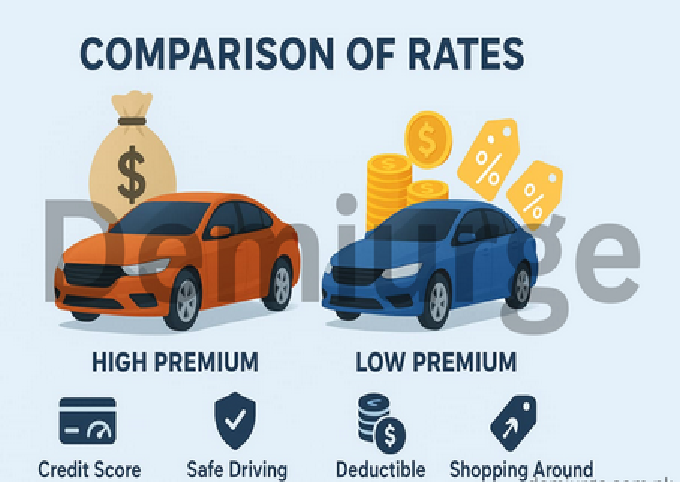
One of the easiest ways to reduce your insurance bill is to shop around. Many drivers stick with the same insurance company for years without realizing they could be paying much less elsewhere.
-
Get Multiple Quotes: Collect quotes from at least 4–5 different insurers. Online comparison tools make this simple.
-
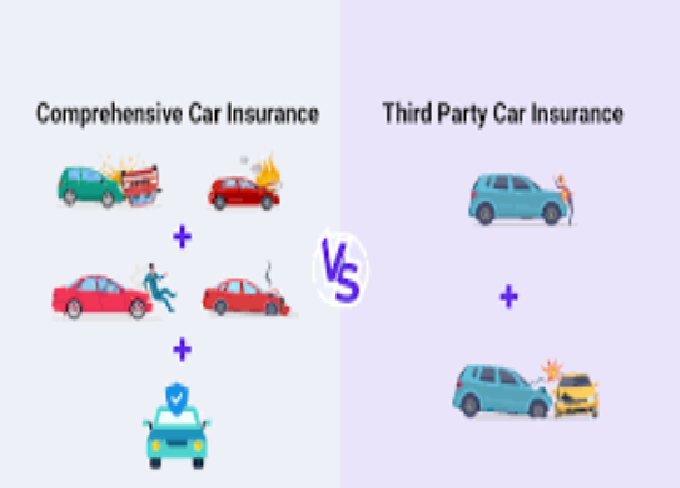
Understand the Coverage: Don’t just look at the price—compare what’s included, such as liability, collision, and comprehensive coverage.
-
Check Local and National Insurers: Sometimes regional or smaller insurance companies offer more competitive rates than large, well-known providers.
👉 Pro Tip: Review your policy every year. Insurance rates change frequently, and you may qualify for better discounts as time goes on.
2. Increase Your Deductible
The deductible is the amount you pay out of pocket before your insurance kicks in. The higher the deductible, the lower your premium.
-
For example, raising your deductible from $500 to $1,000 can save you 10–20% on your premium.
-
Just ensure you have enough savings to cover the deductible if you ever file a claim.
👉 Pro Tip: If you’re a safe driver and rarely file claims, a higher deductible makes financial sense.
3. Maintain a Clean Driving Record
Your driving behavior has a direct impact on your insurance premium. Insurance companies reward safe drivers because they are less risky to insure.
-
Avoid speeding tickets and other traffic violations.
-
Stay accident-free to maintain a clean claims history.
-
Some insurers even offer “safe driver” programs that track your driving habits and give discounts for good behavior.
👉 Pro Tip: Defensive driving courses can sometimes remove points from your driving record and reduce your premium.
4. Bundle Your Policies
If you have multiple insurance needs (home, renters, motorcycle, or life insurance), consider bundling them with the same provider.
-
Insurers often give 5%–25% discounts for customers who bundle policies.
-
Bundling also simplifies your bills by consolidating them with one company.
5. Drive Less and Use Low-Mileage Discounts
The less you drive, the lower your chances of getting into an accident—and insurers reward that.
-
Low-Mileage Discounts: If you drive fewer than 7,500–10,000 miles annually, ask about low-mileage discounts.
-
Usage-Based Insurance (UBI): Some insurers use telematics or apps to monitor your driving. If you drive safely and infrequently, you may get significant discounts.
-
Carpooling or Public Transport: Using alternative transport for commuting can help you qualify for reduced rates.
6. Choose Your Car Wisely
Not all vehicles cost the same to insure. Insurers calculate premiums based on risk, repair costs, and theft rates.
-
Cheaper to Insure Cars: Sedans, family vehicles, and cars with advanced safety features often have lower premiums.
-
Expensive Cars Cost More: Luxury cars, sports cars, or vehicles with poor safety records are much more expensive to insure.
👉 Pro Tip: Before buying a new or used car, research the insurance cost first—it can save you thousands over time.
7. Improve Your Credit Score
In many regions, insurers use credit scores to determine your insurance premium. A better credit score suggests you’re financially responsible, which often translates to fewer claims.
-
Pay bills on time.
-
Reduce outstanding debts.
-
Check your credit report regularly for errors.
👉 Pro Tip: Even small improvements in your credit score can lead to significant insurance savings.
8. Take Advantage of Discounts
Most insurance companies offer a variety of discounts, but many drivers don’t know about them. Ask your insurer about:
-
Good Student Discount – For students with high grades.
-
Military or Veteran Discounts – Offered to active-duty and retired service members.
-
Senior Discounts – Available for older drivers who take safe driving courses.
-
Multi-Car Discount – Insuring more than one car with the same provider.
-
Safety Features Discount – Anti-lock brakes, airbags, and anti-theft systems lower costs.
👉 Pro Tip: Always ask your insurer to review all available discounts—you may be surprised at how much you qualify for.
9. Reduce Unnecessary Coverage
You may be paying for coverage you don’t really need. Review your policy to eliminate unnecessary extras.
-
Collision/Comprehensive for Older Cars: If your car is old and not worth much, paying extra for full coverage may not be cost-effective.
-
Roadside Assistance or Rental Reimbursement: These can often be purchased separately at a cheaper rate.
👉 Pro Tip: Balance savings with risk. Don’t cut coverage that protects you from major financial losses.
10. Pay Your Premium Annually or Semi-Annually
Many insurers charge extra fees for monthly payments. By paying in larger installments—like once or twice a year—you can save money.
-
Annual payments can reduce processing fees.
-
Some companies offer outright discounts for paying upfront.
11. Install Safety and Anti-Theft Devices
Vehicles with advanced safety features are less risky to insure. Installing certain devices can reduce your premium.
-
Anti-theft alarms, GPS trackers, and immobilizers reduce theft risk.
-
Dashcams can provide evidence in case of disputes, potentially lowering claims.
-
Modern safety features like lane departure warnings or automatic braking can qualify you for discounts.
12. Stay Loyal—but Be Smart
Many insurers offer loyalty discounts to long-term customers. However, loyalty doesn’t always mean savings.
-
Ask your insurer if loyalty rewards apply.
-
Compare quotes annually to ensure your loyalty isn’t costing you money.
13. Move to a Safer Location
Insurance premiums are also based on your residential location.
-
Urban areas with high crime rates and heavy traffic usually have higher premiums.
-
Rural or suburban areas tend to have lower risks and cheaper rates.
👉 Pro Tip: If you’re planning a move, check how your new zip code will affect your insurance.
14. Avoid Small Claims
Filing too many small claims can raise your premium. Instead, pay out of pocket for minor repairs.
-
Save claims for significant damages or accidents.
-
Some insurers offer a “claims-free discount” that rewards you for avoiding claims.
15. Consider Group or Employer Discounts
Check if your employer, alumni association, or professional group offers insurance discounts through partnerships.
-
Many companies negotiate group rates for employees.
-
Unions and trade associations often have partnerships with insurers.
16. Reassess Your Coverage Regularly
Your insurance needs change over time. Regularly reviewing your policy ensures you aren’t paying for unnecessary extras.
-
Sold a car? Remove it from your policy.
-
Driving less due to remote work? Update your mileage estimate.
-
Kids moved out? Adjust multi-car or dependent coverage.
17. Opt for Defensive Driving Courses
Completing a certified defensive driving course can lower your insurance rate.
-
Courses are often available online or in person.
-
Discounts typically range between 5%–15%.
18. Maintain Continuous Coverage
Gaps in insurance coverage can raise red flags for insurers. Maintaining continuous coverage shows you are a responsible driver.
-
Even if you’re not driving for a while, consider minimal coverage.
-
Avoid policy cancellations or lapses.
19. Choose Paperless and Auto-Pay Options
Some insurers offer small discounts for going paperless or setting up automatic payments.
-
Paperless reduces administrative costs for insurers.
-
Auto-pay ensures you don’t miss payments, avoiding late fees.
20. Negotiate with Your Insurer
Don’t hesitate to ask your insurer for a lower rate. Many companies are willing to adjust premiums to keep customers.
-
Mention competing quotes.
-
Ask directly about hidden discounts.
-
Review your policy line by line with an agent.
Final Thoughts
Auto insurance doesn’t have to break the bank. By applying these legal strategies, you can significantly reduce your premium while keeping yourself financially protected. The key is to be proactive: review your policy regularly, take advantage of discounts, and make smart choices about your driving habits and coverage.
Remember, the cheapest policy isn’t always the best. The goal is to strike the perfect balance between affordability and protection. With the right approach, you can drive confidently knowing you’re well-protected—without paying more than necessary.