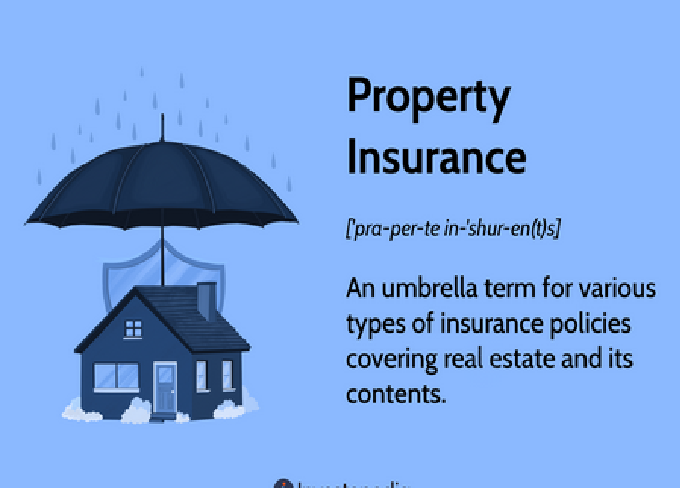
Homeownership is one of life’s most rewarding milestones, but it also comes with a set of responsibilities. One of the most critical responsibilities is protecting your home and everything in it. That’s where home insurance comes in. But here’s the catch: while most people know that home insurance offers protection, very few truly understand what it really covers.
Does it cover natural disasters? What about theft? Will it pay for temporary living arrangements if your house becomes uninhabitable? And perhaps the most common question: what’s not covered?
In this comprehensive breakdown, we’ll demystify home insurance by covering its core components, additional options, exclusions, and insider tips to ensure you know exactly what you’re paying for.
1. Introduction to Home Insurance Coverage
Home insurance (often called homeowners insurance) is a financial safety net designed to protect homeowners from unexpected events that cause damage, loss, or liability. It is not just a contract with an insurance company—it’s peace of mind.
At its core, a standard home insurance policy covers four main areas:
-
Dwelling Coverage – Protection for the physical structure of your house.
-
Other Structures Coverage – Protection for detached buildings like garages or sheds.
-
Personal Property Coverage – Protection for belongings inside your home.
-
Liability Protection – Coverage for legal and medical expenses if someone is injured on your property.
Beyond these, policies often include loss of use coverage (temporary living expenses) and optional add-ons for unique risks.
2. Dwelling Coverage – Protecting the Structure of Your Home
Dwelling coverage is the cornerstone of any home insurance policy. It ensures that the physical structure of your house is protected from common perils such as:
-
Fire and smoke damage
-
Windstorms and hail
-
Lightning strikes
-
Vandalism
-
Explosions
-
Vehicle or aircraft collisions
This coverage extends to walls, floors, roof, built-in appliances, and other integral parts of your home. For example, if a kitchen fire destroys part of your home, dwelling coverage helps pay for repairs or reconstruction.
Important Tip: Always insure your home for the replacement cost rather than its market value. Market value includes land value, which doesn’t need insurance, while replacement cost ensures you can rebuild your home after a total loss.
3. Other Structures Coverage – Beyond the Main House
Your home insurance doesn’t just stop at the four walls of your house. Most policies also cover other structures on your property, such as:
-
Detached garages
-
Tool sheds
-
Guest houses
-
Fences
-
Driveways
For instance, if a storm damages your fence or a tree crashes onto your detached garage, other structures coverage will step in to cover repairs. Typically, this portion of coverage is about 10% of your dwelling coverage, but it can be adjusted based on your needs.
4. Personal Property Coverage – Safeguarding Your Belongings
Imagine losing your furniture, electronics, clothes, and jewelry in a fire. That’s where personal property coverage comes in—it protects the items inside your home.
Covered scenarios often include:
-
Theft
-
Fire or smoke damage
-
Water damage from burst pipes
-
Storm-related damage
This coverage applies whether the items are inside your house or temporarily outside. For example, if your laptop is stolen from your car, your home insurance may still cover it.
Special limits: High-value items such as jewelry, fine art, or collectibles often have limits (e.g., $1,500 for jewelry). You may need additional riders or endorsements for full protection.
5. Liability Protection – Covering Legal & Medical Costs
One of the most underrated benefits of home insurance is liability coverage. It protects you from lawsuits and medical bills if you are found responsible for someone else’s injury or property damage.
Scenarios include:
-
A visitor slips and falls on your icy driveway.
-
Your dog bites a neighbor.
-
Your child accidentally breaks a neighbor’s window.
Liability coverage usually includes:
-
Legal defense fees
-
Medical expenses for the injured party
-
Settlements or court-ordered damages
Most policies start with $100,000 in liability coverage, but experts recommend at least $300,000 to $500,000 for adequate protection.
6. Loss of Use Coverage – A Backup Living Arrangement
If your home is damaged and becomes uninhabitable, loss of use coverage (also called additional living expenses) pays for temporary living arrangements. This may include:
-
Hotel or rental home costs
-
Restaurant meals
-
Extra commuting expenses
For example, if a fire forces you out of your home for three months, loss of use coverage ensures you don’t have to pay out-of-pocket for a temporary stay.
7. Medical Payments Coverage – Small Injuries, Quick Help
Separate from liability, medical payments coverage helps pay for minor injuries to guests on your property, regardless of fault.
For example:
-
A friend cuts their hand on your kitchen knife during a party.
-
A neighbor’s child scrapes their knee while playing in your backyard.
These are usually small claims, ranging from $1,000 to $5,000, designed to prevent lawsuits by covering medical bills quickly.
8. Natural Disasters – What’s Covered and What’s Not
This is where confusion often arises. Many homeowners assume home insurance covers all natural disasters, but that’s not the case.
Typically Covered:
-
Fire
-
Lightning
-
Windstorms and hail
-
Volcanic eruptions
Not Covered (Usually Requires Separate Policy):
-
Floods (need flood insurance)
-
Earthquakes (need earthquake insurance)
-
Landslides or sinkholes
-
Hurricanes in some high-risk areas
Always read the fine print, especially if you live in disaster-prone regions.
9. What Home Insurance Does Not Cover
Just as important as knowing what’s covered is understanding what’s excluded. Common exclusions include:
-
Normal wear and tear
-
Poor maintenance (e.g., mold from leaks left unfixed)
-
Pest infestations (termites, rodents)
-
Intentional damage by the homeowner
-
Business activities conducted from home (unless you add business coverage)
Being aware of exclusions can help you avoid unpleasant surprises when filing a claim.
10. Optional Add-Ons and Endorsements
Home insurance policies can be customized with endorsements (add-ons) to provide broader protection. Common options include:
-
Sewer Backup Coverage – Protects against water damage from backed-up drains.
-
Identity Theft Protection – Covers expenses if your identity is stolen.
-
Extended Replacement Cost Coverage – Pays for rebuilding costs even if they exceed your policy limit.
-
Scheduled Personal Property Coverage – Extra protection for expensive items like jewelry or antiques.
11. Real-Life Claim Scenarios
To better understand how coverage works, here are a few examples:
-
Fire Damage: A kitchen fire spreads, damaging walls and appliances. Dwelling and personal property coverage pay for repairs and replacements.
-
Theft: Burglars steal electronics and jewelry. Personal property coverage compensates you (within policy limits).
-
Guest Injury: A visitor slips on wet flooring, breaking an arm. Liability coverage pays medical expenses and legal fees.
-
Storm Damage: A windstorm destroys your shed and fence. Other structures coverage handles repairs.
12. Factors Affecting Coverage and Premiums
Not all home insurance policies are created equal. Factors influencing what’s covered and how much you pay include:
-
Location: High-risk areas (flood zones, crime-heavy neighborhoods) increase costs.
-
Home Value & Age: Larger, older homes usually cost more to insure.
-
Deductibles: Higher deductibles mean lower premiums, but more out-of-pocket costs.
-
Claims History: Multiple past claims can raise your rates.
-
Safety Features: Alarm systems, fire sprinklers, and storm shutters may reduce premiums.
13. Tips for Maximizing Your Home Insurance Coverage
-
Review Annually: Update your policy as your home’s value or possessions change.
-
Document Belongings: Keep receipts, photos, or videos of valuable items.
-
Bundle Policies: Combining home and auto insurance can lower premiums.
-
Understand Replacement Cost vs. Actual Cash Value: Replacement cost reimburses full value, while actual cash value factors in depreciation.
-
Don’t Underinsure: Cutting corners on coverage may leave you vulnerable in a disaster.
14. Common Myths About Home Insurance
-
“It covers all natural disasters.” – False; floods and earthquakes need separate policies.
-
“It covers home-based businesses.” – False; you need separate business insurance.
-
“It’s only for homeowners.” – False; renters and condo owners also have tailored insurance options.
-
“You only need market value coverage.” – False; you need replacement cost coverage for full protection.
15. Conclusion – Know What You’re Paying For
Home insurance is not just a mandatory requirement for many mortgage lenders—it’s a vital financial safeguard. However, the true value of your policy lies in understanding what it really covers, what it excludes, and how you can tailor it to your needs.
From dwelling coverage to personal belongings, from liability protection to temporary housing, home insurance offers a wide safety net. But like any financial product, it’s only effective if you understand its scope and limitations.
Bottom line: Don’t wait until disaster strikes to learn about your policy. Review your coverage, ask questions, and make adjustments so that when the unexpected happens, you’re not just hoping for protection—you’re confident you have it.