Traveling abroad is often an exciting experience filled with new opportunities, cultures, and adventures. Whether you are planning a vacation, a business trip, or studying abroad, international travel opens doors to memorable experiences. However, traveling across borders also comes with uncertainties that can turn an enjoyable trip into a stressful one. From unexpected medical emergencies and flight cancellations to lost luggage and unforeseen events, anything can happen when you are far away from home.
This is where travel insurance comes in. A well-structured travel insurance policy ensures that you are financially and logistically protected against a wide range of risks. For most seasoned travelers, travel insurance is not an optional add-on but an essential part of their trip planning.
In this article, we’ll explore in detail why travel insurance is a must-have for every international trip, its key benefits, and how it safeguards your journey.
1. Understanding Travel Insurance
Before diving into its importance, it’s essential to understand what travel insurance actually is.
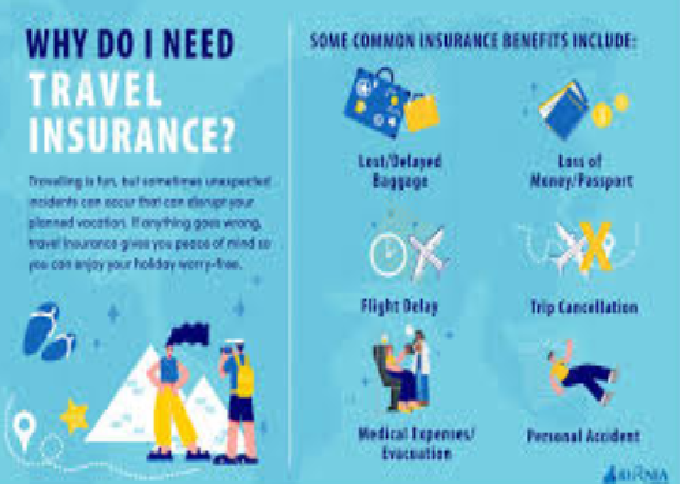
Travel insurance is a policy designed to cover financial losses, medical costs, and other travel-related mishaps during domestic or international trips. Depending on the plan, coverage can include medical emergencies, trip cancellations, delayed flights, lost baggage, theft, accidental death, and even emergency evacuation.
Insurance providers offer different types of travel insurance policies such as:
-
Single-Trip Travel Insurance – Valid for one trip abroad.
-
Multi-Trip Travel Insurance – Covers multiple international trips within a year.
-
Student Travel Insurance – Designed for students studying abroad.
-
Family Travel Insurance – Covers the entire family under one policy.
The wide variety of options ensures that travelers can find a plan suited to their purpose, destination, and duration of travel.
2. Rising Medical Costs Abroad
One of the strongest arguments in favor of travel insurance is the high cost of medical treatment overseas. Healthcare expenses in countries like the United States, Canada, or parts of Europe are extremely high compared to many developing countries. A simple hospital visit can cost hundreds of dollars, while surgery or extended hospital stays may run into tens of thousands.
For example:
-
A hospital stay in the U.S. may cost $10,000 or more per day.
-
Emergency evacuation by air ambulance can range between $20,000 and $100,000, depending on distance.
Without travel insurance, these costs fall directly on you. A comprehensive travel insurance policy, however, covers medical treatment, hospitalization, and even medical evacuation, giving you peace of mind that you won’t face overwhelming bills.
3. Protection Against Trip Cancellations and Delays
Uncertainty is a part of travel. Despite careful planning, flights can get delayed, trips may be canceled, or unforeseen events like natural disasters, strikes, or personal emergencies may force you to alter your plans.
Travel insurance ensures you don’t lose your prepaid expenses such as:
-
Flight tickets
-
Hotel reservations
-
Tour packages
-
Cruise bookings
For instance, if your flight is canceled due to severe weather or airline strikes, travel insurance reimburses your non-refundable costs and helps you rebook new arrangements without financial strain.
4. Coverage for Lost or Delayed Luggage
Imagine arriving in a foreign country only to discover that your luggage didn’t make it. Losing essential items like clothes, medicines, or documents can cause panic and extra expenses.
Travel insurance typically covers:
-
Compensation for lost baggage
-
Reimbursement for essential purchases in case of delayed luggage
-
Assistance in replacing lost passports or travel documents
This protection is particularly important for long-haul international flights with multiple connections, where the chances of luggage mishandling increase.
5. Emergency Assistance 24/7
One of the greatest advantages of travel insurance is round-the-clock global assistance. When you are abroad and face an emergency, you may not know whom to contact or how to handle the situation. Most travel insurance companies provide 24/7 helplines for:
-
Medical emergencies
-
Legal assistance
-
Locating nearest hospitals
-
Arranging emergency transportation
-
Contacting family members back home
Having such professional support ensures you never feel stranded, no matter where you are in the world.
6. Coverage for Adventure Activities
International travel often includes adventurous activities such as skiing, scuba diving, mountain trekking, or bungee jumping. These activities come with inherent risks, and in many cases, regular health insurance policies do not cover accidents abroad.
Specialized travel insurance plans provide coverage for injuries sustained during such adventure activities, ensuring you are financially protected while exploring thrill-seeking experiences.
7. Protection Against Political or Natural Disasters
Sometimes, travelers find themselves in unexpected situations such as political unrest, terrorism, or natural disasters like earthquakes, hurricanes, or floods. These events can disrupt your itinerary and even pose safety risks.
Travel insurance can help by:
-
Covering emergency evacuation to a safer location
-
Providing compensation for unused bookings
-
Offering crisis assistance services
This coverage is particularly important for travelers visiting regions with unpredictable weather or political instability.
8. Peace of Mind for Families and Loved Ones
Traveling abroad isn’t just about your own safety—it’s also about providing reassurance to your family. Knowing that you have travel insurance means your loved ones won’t face financial burdens or stress if something goes wrong. Some policies even include repatriation of remains in case of death, ensuring dignity and support during the worst-case scenario.
9. Compliance with Visa Requirements
Many countries have made travel insurance mandatory for issuing visas. For example:
-
Schengen countries in Europe require proof of travel insurance with minimum coverage of €30,000 for medical emergencies.
-
Countries like Cuba, Turkey, and the UAE may also require insurance as part of entry requirements.
If you plan on traveling to these destinations, having travel insurance is not just advisable—it’s legally required.
10. Affordable Protection for High Risks
Some travelers believe travel insurance is expensive, but in reality, it’s relatively affordable compared to the potential costs of emergencies. A policy for a short international trip may cost as little as 2–6% of the total trip expense, but the protection it offers is invaluable.
For example, if your trip costs $3,000, insurance might only cost around $100–$150, yet it covers medical bills, cancellations, baggage, and emergencies worth tens of thousands of dollars.
11. Special Benefits for Business Travelers
For corporate or business travelers, travel insurance offers unique advantages such as:
-
Reimbursement for missed meetings due to delays
-
Coverage for lost business equipment like laptops or projectors
-
Emergency support for rescheduling travel plans
Since business trips are often time-sensitive, insurance provides a safety net to minimize disruptions and financial losses.
12. Coverage Tailored for Students Abroad
Students traveling abroad for higher studies often stay for extended durations, increasing their exposure to risks. Student travel insurance offers:
-
Medical coverage for illnesses and accidents
-
Coverage for loss of study material or laptops
-
Reimbursement for semester fees in case of trip interruption due to emergencies
This ensures that both students and their families can focus on education without worrying about unforeseen expenses.
13. Legal Assistance and Liability Coverage
While abroad, you may face legal issues such as accidental damage to property or involvement in minor disputes. Some comprehensive travel insurance plans include personal liability coverage, which helps cover legal fees and damages if you are held responsible for injury or property damage.
14. Real-Life Scenarios Where Travel Insurance Helps
To better understand its importance, here are some real-life examples:
-
Medical Emergency in the U.S.: A traveler from Asia had an unexpected heart attack during a vacation in New York. His travel insurance covered hospital bills amounting to $50,000 and arranged his safe return home.
-
Lost Luggage in Europe: A family’s baggage was lost during a connecting flight. Their travel insurance provided $1,500 compensation, allowing them to buy essentials until their bags were found.
-
Trip Cancellation Due to Illness: A business traveler fell ill a day before departure. His policy reimbursed him for non-refundable hotel bookings and flight tickets worth $2,000.
These scenarios highlight how travel insurance acts as a financial shield when things don’t go as planned.
15. Choosing the Right Travel Insurance Policy
Not all policies are the same, so selecting the right one is critical. Here are some factors to consider:
-
Destination – Coverage requirements may differ based on country.
-
Duration of Stay – Long trips require extended coverage.
-
Activities Planned – Adventure activities may need specialized plans.
-
Age of Traveler – Seniors may need policies with higher medical coverage.
-
Exclusions – Always check what’s not covered (e.g., pre-existing conditions).
Comparing different plans and reading the fine print ensures you get the most suitable coverage.
16. Common Misconceptions About Travel Insurance
Many travelers avoid purchasing insurance due to myths such as:
-
“I’m healthy, I won’t need it.”
-
“My airline will cover delays.”
-
“Insurance is too expensive.”
In reality, emergencies are unpredictable, airlines only offer limited compensation, and insurance is affordable compared to potential losses.
17. How Travel Insurance Adds Value to Your Trip
Beyond financial protection, travel insurance enhances the travel experience by reducing stress. Knowing you are protected allows you to fully enjoy your trip without constantly worrying about “what if” scenarios.
It also adds value by providing access to international networks of hospitals, legal experts, and support staff, resources you might otherwise struggle to find in a foreign country.
Conclusion
International travel is thrilling but comes with risks that cannot be ignored. From unexpected medical emergencies to lost luggage, trip cancellations, and unforeseen crises, countless things can disrupt your plans. While we cannot control these uncertainties, we can prepare for them.
Travel insurance is not just a safety net—it’s a must-have for every international trip. It ensures you and your loved ones are financially protected, provides global assistance in emergencies, and gives you the peace of mind to enjoy your journey to the fullest.
So, before booking your next flight abroad, make sure to include travel insurance in your checklist. It might just be the smartest investment for a worry-free and memorable travel experience.