Health is often taken for granted in youth. With energy, vitality, and fewer health concerns, many young adults feel invincible. As a result, health insurance is often dismissed as unnecessary, expensive, or something to worry about later in life. However, this mindset overlooks the long-term benefits and financial security that come with early investment in health insurance.
In today’s world, where healthcare costs are rising rapidly and unexpected medical issues can strike anyone, health insurance has become a necessity—not a luxury. For young adults just starting their careers, making this decision early can secure financial protection, peace of mind, and access to better healthcare.
This article explores in detail why young adults should invest in health insurance early, covering financial, medical, and lifestyle benefits, while debunking common myths along the way.
Understanding Health Insurance
Before diving into the reasons, it is important to understand what health insurance is.
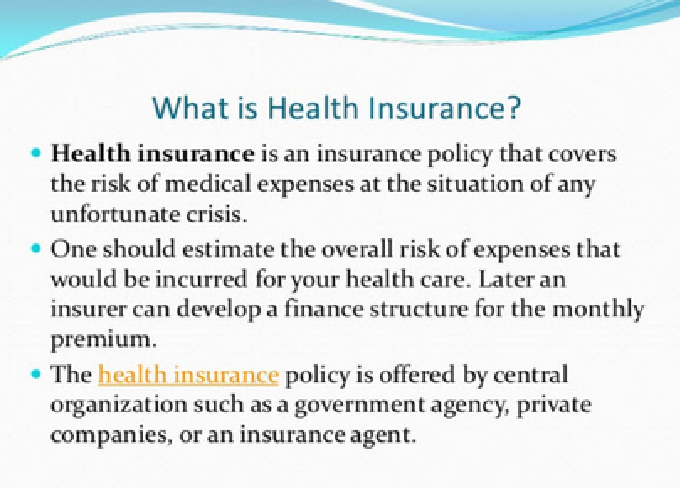
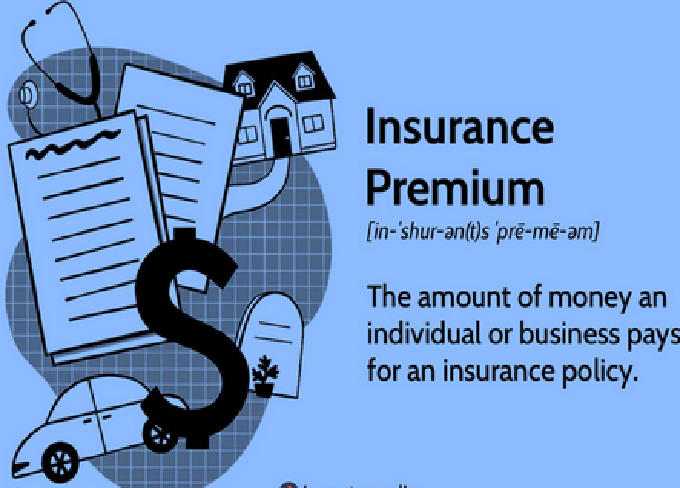
Health insurance is a financial agreement between you and an insurance company. By paying a regular premium, you secure coverage for a range of healthcare expenses such as:
-
Hospitalization and surgery costs
-
Doctor’s visits and consultations
-
Prescription medications
-
Preventive care and screenings
-
Critical illnesses and emergencies
Depending on the plan, it may also cover maternity care, mental health support, or rehabilitation services. Essentially, health insurance ensures that an unforeseen medical issue does not wipe out your savings.
The Rising Cost of Healthcare
One of the strongest reasons for young adults to consider health insurance early is the escalating cost of healthcare.
According to global reports, medical inflation often surpasses general inflation rates. In many countries, the cost of treatments, medicines, and hospital stays has doubled or tripled in the past decade. For instance:
-
A minor surgery can cost thousands of dollars.
-
A single night in a private hospital room can burn a hole in your pocket.
-
Treatments for chronic diseases like diabetes, hypertension, or cancer can drain life savings.
Without insurance, paying out-of-pocket for such expenses is a major financial burden. Young adults who assume they are immune to health risks are often caught unprepared when emergencies arise.
Why Young Adults Often Avoid Health Insurance
Before we highlight the benefits, let’s look at why many young adults avoid buying health insurance:
-
Perception of Good Health – Youth often equates health with invincibility.
-
Financial Priorities – Student loans, career building, and lifestyle spending take precedence.
-
Dependence on Parents – Some continue relying on family coverage instead of getting their own.
-
Lack of Awareness – Many don’t fully understand the importance of insurance until later.
While these reasons may sound valid, they ignore the financial wisdom of starting early.
The Advantages of Buying Health Insurance Early
1. Lower Premiums
Health insurance premiums are largely based on age and health condition. The younger and healthier you are, the cheaper the premium.
For example:
-
A 25-year-old may pay half the premium of a 40-year-old for the same plan.
-
Once you lock in a policy early, your premiums remain relatively stable over time.
Starting young allows you to save thousands over the long run.
2. Pre-Existing Conditions and Waiting Periods
Most health insurance policies have a waiting period (usually 2–4 years) for pre-existing conditions like asthma, diabetes, or hypertension. If you buy insurance later in life, you may not be covered immediately for these illnesses.
Young adults, being relatively healthier, face fewer exclusions and can complete waiting periods without worry. This ensures seamless coverage later when they might actually need it.
3. Financial Independence and Security
Investing in health insurance gives young adults a sense of financial independence. Rather than relying on parents or loans during a medical crisis, they can manage expenses confidently.
This financial cushion prevents:
-
Draining personal savings
-
Falling into debt
-
Compromising on the quality of healthcare
It also protects against lifestyle diseases, which are increasingly common even among young people due to sedentary habits and stress.
4. Access to Better Healthcare
With insurance, you don’t need to worry about choosing between quality treatment and affordability. Policies often provide access to a wide network of hospitals and cashless treatment options.
This means:
-
Faster admission without immediate payments
-
Choice of top doctors and facilities
-
Reduced stress during emergencies
5. Tax Benefits
In many countries, premiums paid for health insurance qualify for tax deductions. For example:
-
In the U.S., certain medical expenses and Health Savings Accounts (HSAs) are tax-advantaged.
-
In India, Section 80D of the Income Tax Act allows deductions for premiums paid.
Thus, buying health insurance early not only secures health but also reduces tax liability.
6. Coverage for Lifestyle Risks
Young adults today face lifestyle risks earlier than previous generations:
-
High-stress jobs
-
Fast food diets
-
Limited physical activity
-
Mental health concerns
Health insurance often covers hospitalization for stress-related illnesses, mental health consultations, and lifestyle diseases. Getting insured early protects against these rising risks.
7. Long-Term Coverage for Critical Illnesses
Critical illnesses like cancer, heart disease, and kidney failure don’t discriminate by age. Treatment costs for these conditions are sky-high.
Buying insurance early means you can add critical illness riders at an affordable price, ensuring coverage for life-threatening diseases in the future.
8. Peace of Mind
Knowing that you are financially protected in case of illness provides invaluable peace of mind. Instead of worrying about money during a health crisis, you can focus entirely on recovery.
Comparing Early vs. Late Health Insurance Investment
| Factor | Buying Early (20s) | Buying Later (40s/50s) |
|---|---|---|
| Premium Cost | Very low | Very high |
| Pre-existing Condition Coverage | Covered after waiting period | Limited or excluded |
| Tax Benefits | Enjoyed for more years | Fewer years of tax relief |
| Access to Plans | Wide choice of options | Restricted due to age/health |
| Risk of Rejection | Very low | Higher chances |
This comparison clearly shows how early investment pays off.
How to Choose the Right Health Insurance as a Young Adult
Choosing the right policy can be overwhelming. Here are some factors to consider:
-
Coverage Amount (Sum Insured) – Pick a sum that covers hospitalization costs in your city.
-
Network Hospitals – Ensure the insurer has tie-ups with reputable hospitals near you.
-
Premium vs. Benefits – Don’t just go for the cheapest premium; balance coverage with cost.
-
Add-On Riders – Consider critical illness, accident cover, and maternity benefits.
-
Claim Settlement Ratio – A higher ratio means better chances of your claim being honored.
-
Flexibility – Choose plans that allow upgrading coverage as your needs grow.
Common Myths About Health Insurance
Myth 1: “I’m healthy, so I don’t need insurance.”
Reality: Accidents and sudden illnesses can happen to anyone, regardless of age or health.
Myth 2: “It’s too expensive for me right now.”
Reality: Premiums for young adults are often cheaper than a night out or monthly subscriptions.
Myth 3: “My employer covers me, so I don’t need personal insurance.”
Reality: Employer-provided insurance ends when you change jobs and may not offer adequate coverage.
Myth 4: “I’ll buy it when I’m older.”
Reality: The later you buy, the higher the premium and the lower the benefits.
The Role of Employers and Family
While employer-provided health insurance is helpful, it should not replace personal coverage. Employer plans are:
-
Temporary (only while you work with that company)
-
Sometimes limited in coverage
-
Not transferable
Similarly, relying on parents’ insurance can leave you vulnerable once you cross the dependent age limit. A personal health insurance plan ensures continuity and independence.
Case Study: The Cost of Delaying Insurance
Imagine two individuals, Alex (25) and John (40).
-
Alex (25) buys a plan with a $200 annual premium and $50,000 coverage. By the time he is 40, he has already completed waiting periods and enjoyed tax benefits for 15 years. His premium remains low.
-
John (40) waits until later. His premium for the same coverage is $600 annually, with added exclusions due to early-stage diabetes. He also has to wait 3 years before the insurance covers his pre-existing condition.
Result: Alex saves more, has wider coverage, and enjoys long-term protection compared to John.
Future Healthcare Trends and Why Early Investment Matters
Healthcare is evolving with new technologies, but that often means higher costs. Treatments like robotic surgeries, gene therapies, and advanced cancer care are expensive. By securing insurance early, you ensure that future medical innovations remain accessible to you.
Steps to Get Started
-
Research different insurance providers online.
-
Compare plans based on coverage, premium, and add-ons.
-
Read policy documents carefully, especially exclusions.
-
Start with a basic plan and upgrade as income grows.
-
Review your plan annually to keep it relevant.
Conclusion
Health insurance is not just about paying for hospital bills—it is about securing your future, protecting your finances, and gaining peace of mind. For young adults, the advantages of buying health insurance early are undeniable: lower premiums, fewer exclusions, long-term benefits, and greater financial independence.
Delaying this decision often results in higher costs, limited coverage, and unnecessary financial stress. By making a smart move today, young adults can ensure they are protected against tomorrow’s uncertainties.
In a world where medical expenses can skyrocket overnight, the best investment you can make in your 20s is in your health insurance policy. It’s not just about protecting your health—it’s about protecting your future.